March 29, 2026
# Tags
#Case studies #Medical #Medical Negligence

Hospital to pay £29m after baby left brain damaged

Hospital to pay £29m after baby

Hospital to pay £29m after baby left brain damaged

Medical Disclaimer: You understand that any information and content, such as text, graphics, and images, found within our Website is for general educational, entertainment, and informational purposes only.

You understand that such information is not intended nor otherwise implied to be medical advice or a substitute for medical advice, diagnosis, or treatment.(Case Study or News article) 

Full Terms

---------------------------------------------------------------------------------------------------------1

2

Fujisaki Fumi

https://banzaijapan.jp – A DePRESSeD Media Ltd Website – Cospanic Entertainment Video

---------------------------------------------------------------------------------------------------------2

Hospital to pay £29m after baby left brain damaged

Record Settlement for Catastrophic Birth Injury

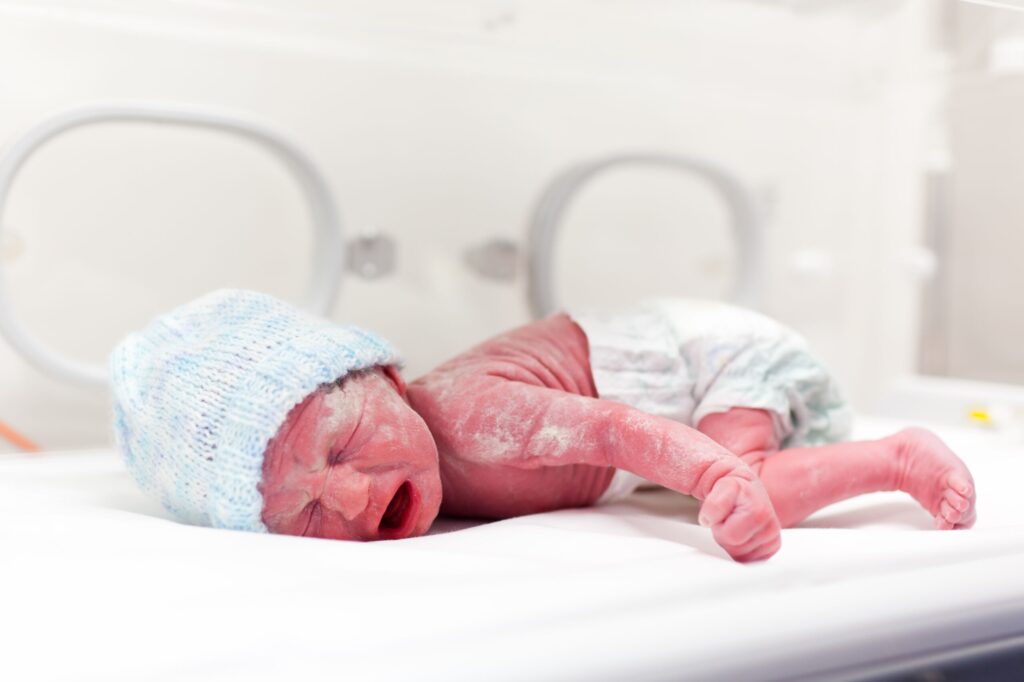
A hospital trust has agreed to pay £29 million in compensation after a baby suffered severe brain damage during delivery due to medical negligence. The High Court-approved settlement is one of the largest ever awarded for a birth-related injury in the UK and will fund the child’s lifelong care needs.

The baby, now a young child, was left with cerebral palsy, profound learning disabilities, epilepsy, and severe mobility limitations as a direct result of medical negligence during labour. The trust admitted liability, acknowledging that failures in fetal monitoring and delayed delivery caused irreversible hypoxic brain injury.

Medical negligence occurred when staff did not adequately interpret abnormal cardiotocograph (CTG) traces showing fetal distress. Despite clear signs of compromise, there was a significant delay before an emergency Caesarean section was performed, allowing prolonged oxygen deprivation that led to the devastating outcome.

Events During Labour and Delivery

The mother went into labour at the hospital’s maternity unit. Continuous CTG monitoring was commenced, but the traces became pathological with repeated late decelerations and reduced variability—indicators of fetal hypoxia that required urgent action.

Despite these warning signs, senior obstetric review was delayed and the decision to deliver by emergency Caesarean was not made promptly. By the time the baby was born, severe acidosis and low Apgar scores confirmed significant intrapartum hypoxia. Medical negligence in failing to expedite delivery was the primary cause of the brain damage.

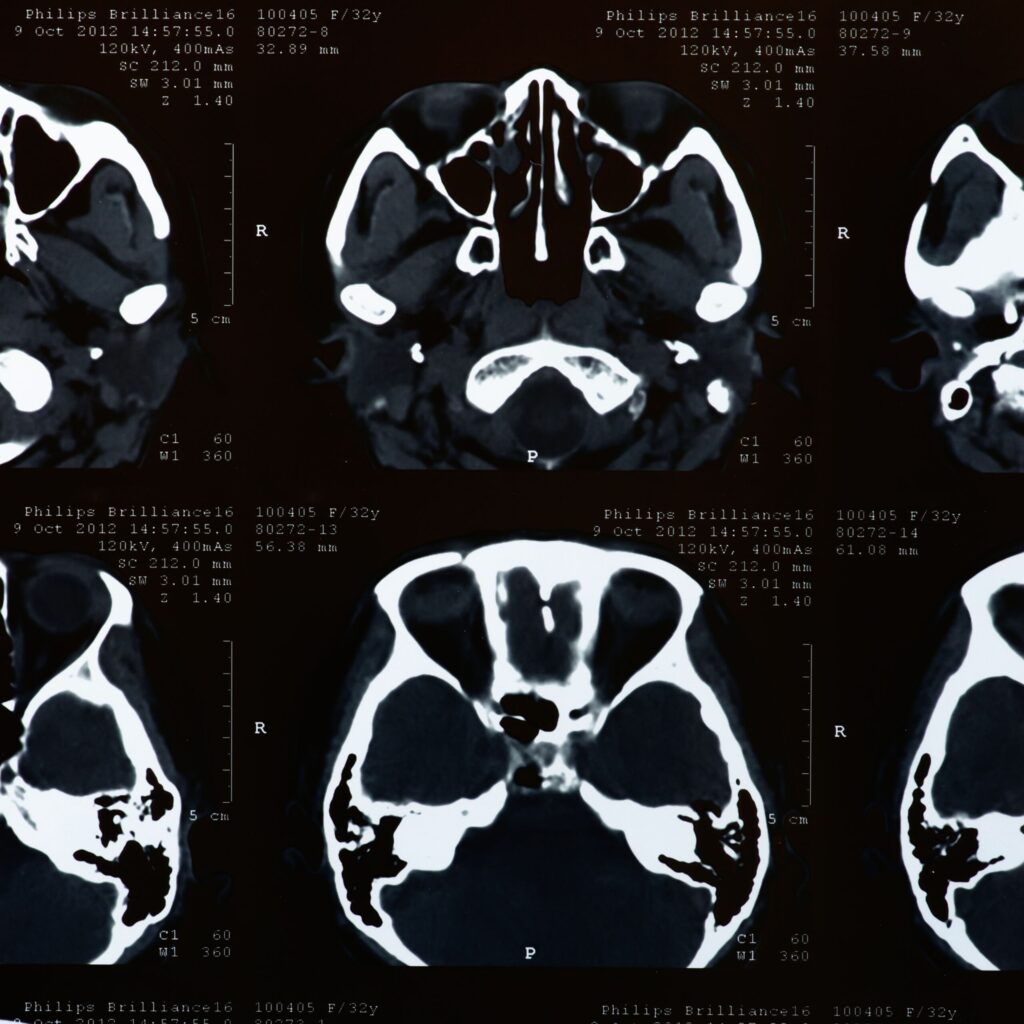
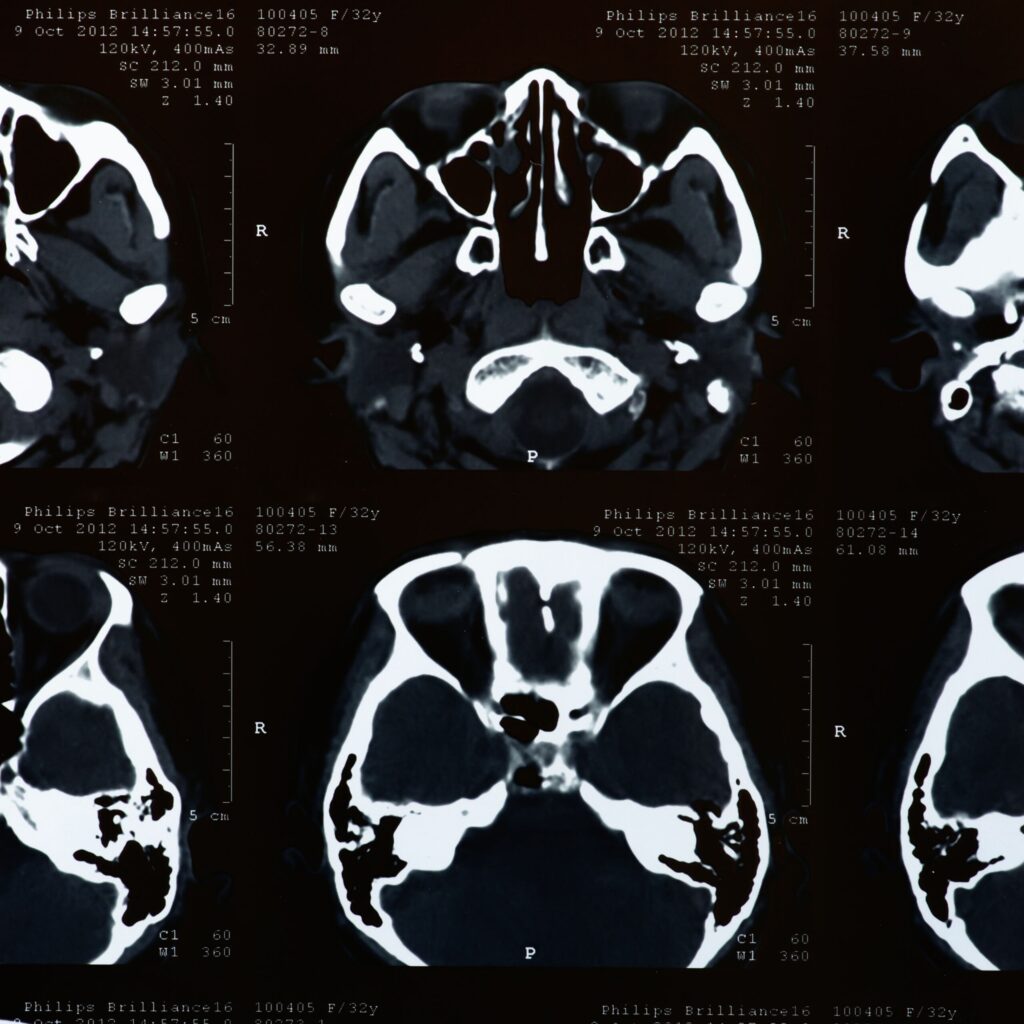
The newborn required immediate resuscitation and prolonged neonatal intensive care. MRI scans later confirmed widespread hypoxic-ischaemic encephalopathy, confirming that timely intervention could have prevented or substantially reduced the injury resulting from medical negligence.

Family's Long Fight for Answers and Compensation

The parents pursued a clinical negligence claim shortly after their child’s diagnosis. Expert evidence confirmed that proper adherence to national guidelines on CTG interpretation and timely delivery would likely have resulted in a healthy baby.

The trust’s admission of medical negligence came after detailed review of the clinical records and expert reports. The £29 million settlement, structured as a lump sum plus annual periodical payments, will cover 24-hour care, specialist therapies, adapted housing, and equipment for life.

The family described the process as emotionally exhausting but expressed relief that liability was finally accepted. They hope the substantial award and public attention will drive meaningful changes to prevent other families suffering similar medical negligence.

Categories: Medical Negligence, Birth Injury, NHS Compensation, Cerebral Palsy

Keywords: £29m birth injury payout, medical negligence delayed delivery, fetal distress CTG failure, cerebral palsy settlement, hypoxic brain damage, emergency Caesarean delay, maternity negligence claim

---------------------------------------------------------------------------------------------------------3

Trust's Apology and Safety Improvements

The hospital trust issued a formal apology to the family, accepting that medical negligence during labour caused the child’s permanent disabilities. A spokesperson expressed deep regret and confirmed the trust had reviewed the case extensively to identify where care fell below acceptable standards.

Following the incident, the trust introduced mandatory regular CTG training, 24/7 senior obstetrician availability, and a revised escalation policy requiring immediate consultant review of abnormal traces. These measures aim to eliminate similar instances of medical negligence in fetal monitoring and delivery decisions.

The trust also implemented electronic CTG archiving and real-time alerting systems to improve detection of fetal compromise. While these changes are welcomed, the family remains concerned that systemic pressures could still allow medical negligence to occur if staffing and workload issues are not addressed.

National Context of Birth Injury Claims

Birth injury cases involving medical negligence remain among the highest-value and most frequent clinical negligence claims against the NHS. Failures in intrapartum fetal monitoring and delayed delivery continue to account for a significant proportion of cerebral palsy litigation.

NHS Resolution reports that maternity claims represent around half of the total clinical negligence expenditure despite accounting for only a small percentage of overall incidents. Medical negligence in these cases often results in lifelong care costs running into tens of millions of pounds.

National initiatives such as the Maternity Safety Strategy and Saving Babies’ Lives Care Bundle aim to reduce preventable harm through standardised monitoring, timely intervention, and improved multidisciplinary working to prevent medical negligence.

Impact on the Child and Family

The child now requires round-the-clock care, specialist equipment, and multiple therapies to manage profound physical and cognitive disabilities caused by the medical negligence. The £29 million package will fund a dedicated care team, adapted housing, and future medical needs.

The parents described the settlement as providing security for their child’s future while remaining heartbroken that medical negligence robbed their baby of a normal life. They continue to advocate for better maternity safety standards so no other family endures similar preventable harm.

The case serves as a stark reminder of the devastating consequences when medical negligence occurs during labour. Timely recognition of fetal distress and swift delivery remain critical to preventing hypoxic brain injury and lifelong disability.

Call for Wider Reform in Maternity Services

Patient safety organisations have renewed calls for mandatory national standards on intrapartum monitoring and protected consultant time during labour. They argue that consistent application of best practice could significantly reduce medical negligence in high-risk deliveries.

The family hopes the size of the award and public attention will pressure trusts nationwide to prioritise maternity safety. They want every labour ward to have the resources and culture needed to eliminate preventable medical negligence during birth.

While the settlement brings financial stability, the emotional scars remain. The parents continue to honour their child by pushing for a maternity system where medical negligence is rare and swiftly addressed when it occurs.

Categories: Medical Negligence, Birth Injury, NHS Compensation, Cerebral Palsy

Keywords: £29m birth injury payout, medical negligence delayed delivery, fetal distress CTG failure, cerebral palsy settlement, hypoxic brain damage, emergency Caesarean delay, maternity negligence claim, NHS maternity safety

---------------------------------------------------------------------------------------------------------4

Medical Negligence

Medical negligence, also known as clinical negligence (particularly in the UK), occurs when a healthcare professional provides substandard care that falls below the reasonable standard expected of a competent practitioner in similar circumstances, directly causing harm or injury to a patient.To succeed in a claim, four key elements (often referred to as the “4 Ds”) must typically be proven:

  1. Duty of care — A doctor-patient or similar professional relationship existed, establishing that the healthcare provider owed the patient a duty to provide competent treatment.
  2. Breach of duty (or deviation from the standard of care) — The care provided was negligent, meaning it did not meet the accepted professional standards. This is assessed objectively, often with input from independent medical experts, rather than requiring “gold standard” treatment.


  3. Causation — The breach directly caused (or significantly contributed to) the patient’s injury or worsened condition. The harm must be more likely than not attributable to the substandard care.
  4. Damage — The patient suffered actual harm, which may include physical injury, psychological distress, financial loss, additional medical needs, or reduced quality of life.

Common examples include misdiagnosis, delayed diagnosis, surgical errors, incorrect medication, failure to obtain informed consent, or inadequate aftercare. Not every poor outcome or medical mistake constitutes negligence—only those deviating from reasonable professional standards and causing avoidable harm qualify.In the UK, claims are pursued through the civil justice system, often against the NHS or private providers, with the goal of securing compensation to address losses and support recovery. Medical negligence cases can be complex, requiring expert evidence and strict time limits for claims.

Home PageMedical NegligenceMedical NegligenceMedical NegligenceHome PageHome Page Banzai JapanHome PageHome Page – 

Hospital to pay £29m after baby left brain damaged

‘Claudia’ 48 Case Study

Leave a comment

Your email address will not be published. Required fields are marked *

Flag Counter