Cancer misdiagnosis and treatment claims solicitors
-
MRPMWoodman
- March 16, 2026
- 0
- 9 min read
Cancer misdiagnosis and treatment claims solicitors
Medical Disclaimer: You understand that any information and content, such as text, graphics, and images, found within our Website is for general educational, entertainment, and informational purposes only.
You understand that such information is not intended nor otherwise implied to be medical advice or a substitute for medical advice, diagnosis, or treatment.(Case Study or News article)
1
https://sekaigyakuten.jp – A DePRESSeD Media Ltd Website – Cospanic Entertainment Video
Cancer misdiagnosis & treatment claims solicitors
Understanding Cancer Misdiagnosis and Medical Negligence
Cancer misdiagnosis or delayed diagnosis can have devastating consequences. When a healthcare professional fails to recognise symptoms, misinterprets test results, or does not refer a patient for specialist investigation in a timely manner, this may amount to medical negligence. Medical negligence in cancer care often means the disease progresses to a more advanced stage before treatment begins, reducing the chances of successful recovery or requiring more aggressive therapy.
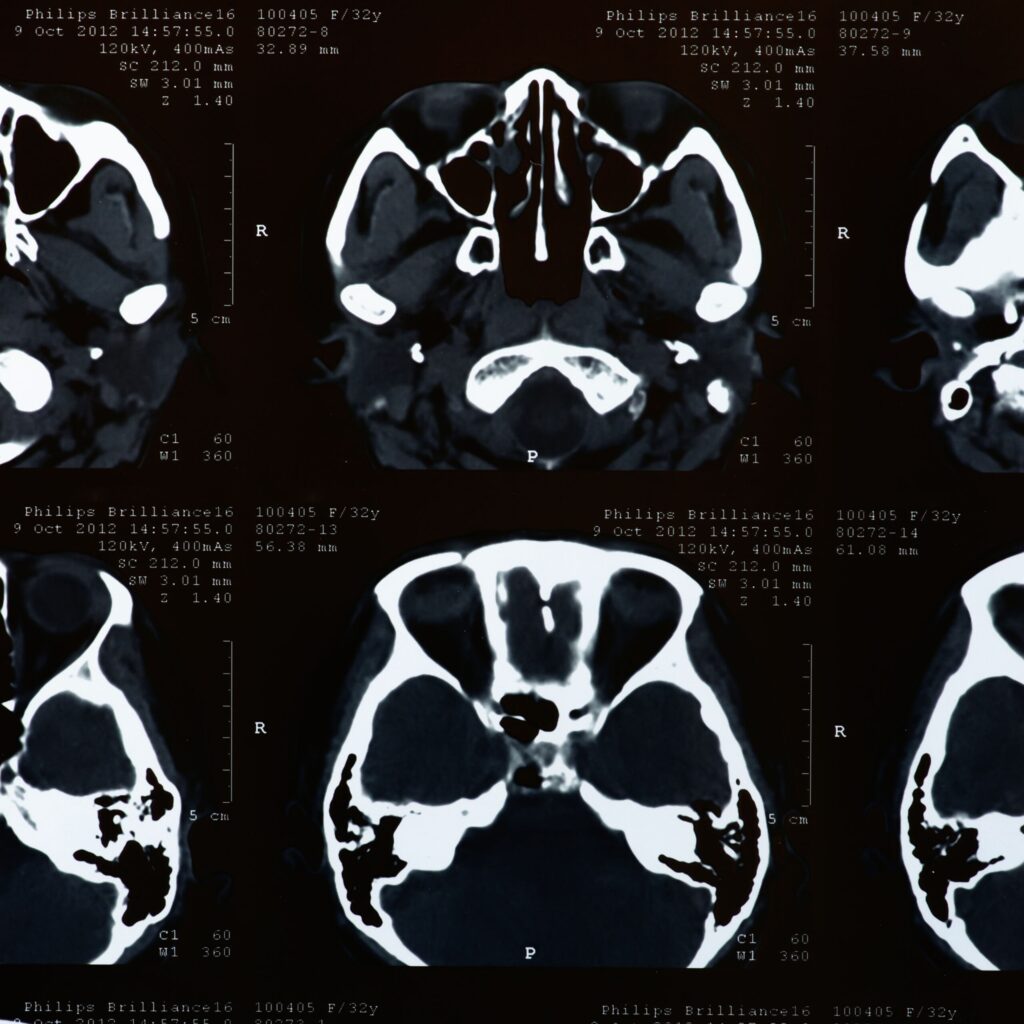
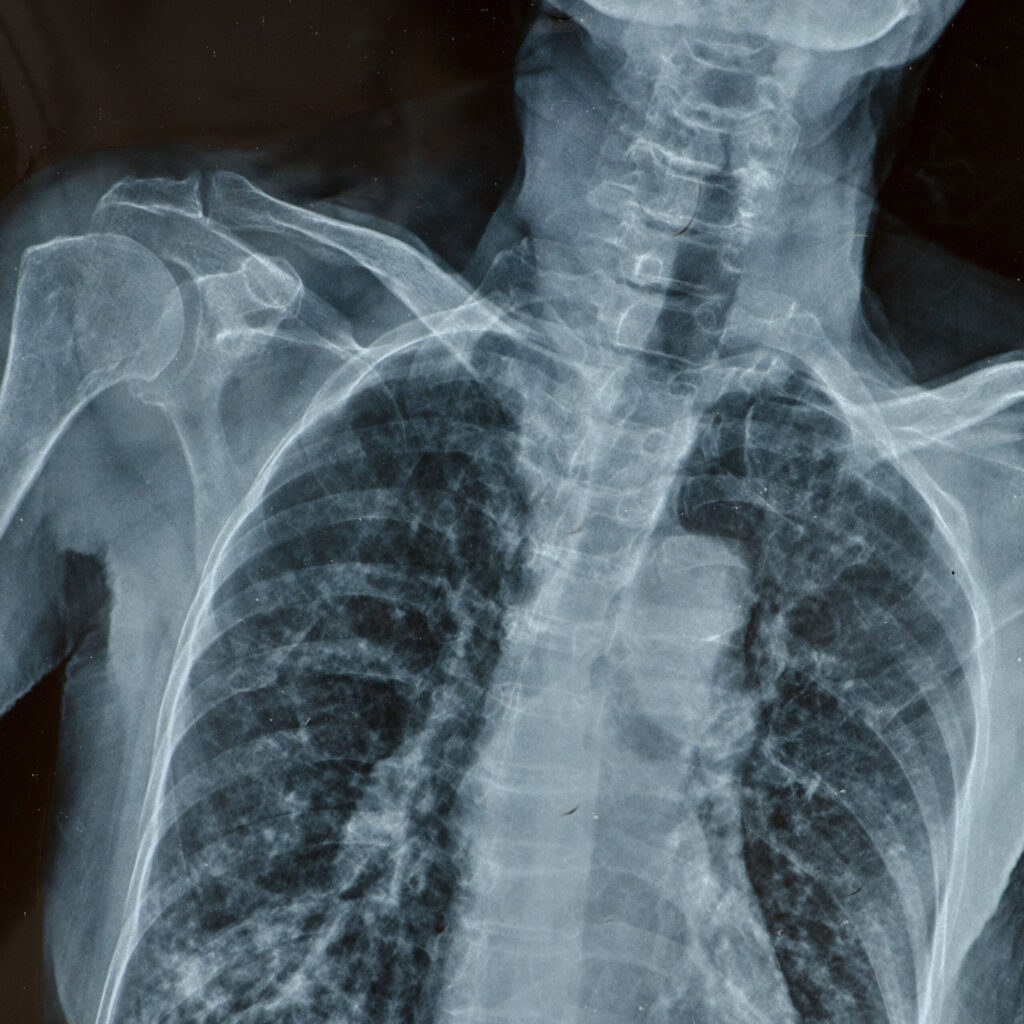
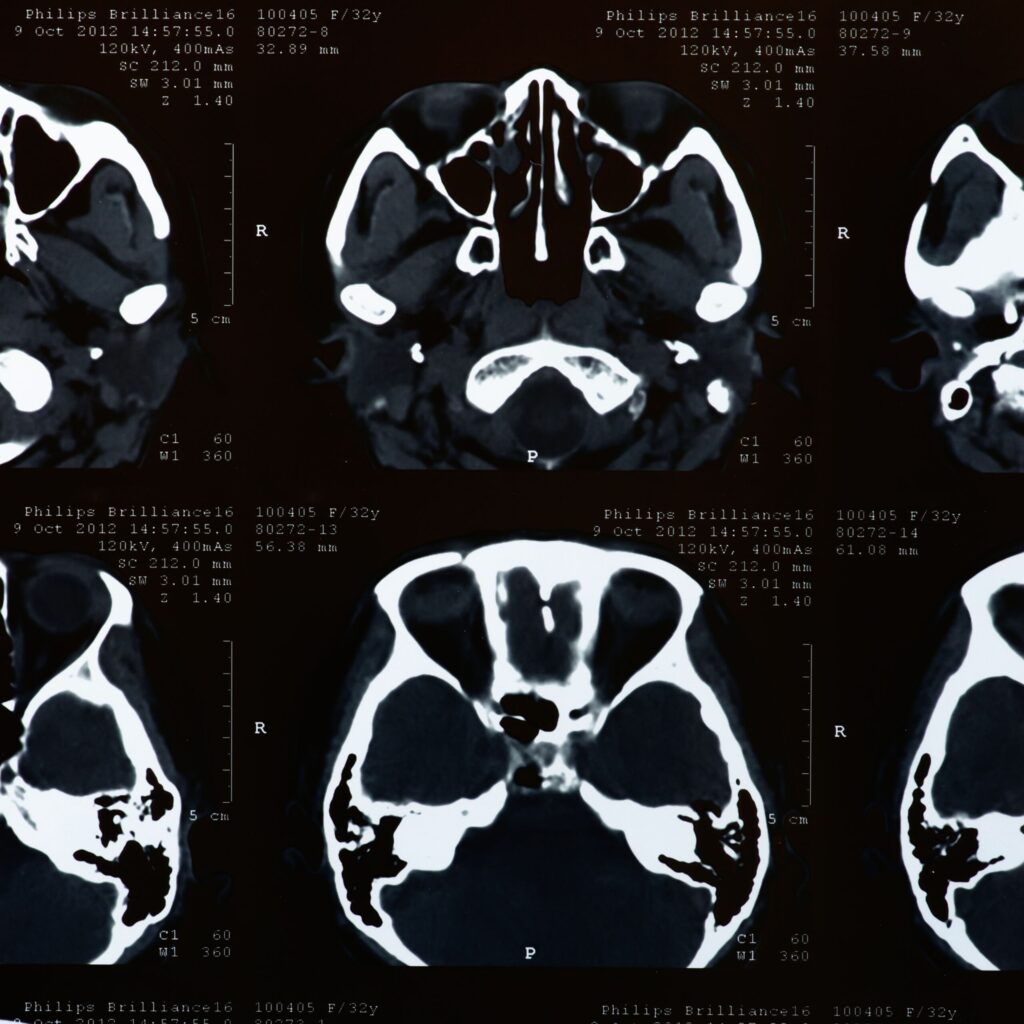
Common forms of medical negligence include failure to investigate persistent symptoms (such as unexplained weight loss, lumps, changes in bowel habits, blood in urine or stools, chronic cough or hoarseness), incorrect reporting or interpretation of scans, X-rays, biopsies or blood tests, and delays in referral to an oncologist or specialist cancer centre. When medical negligence occurs, patients may face reduced life expectancy, more invasive treatments, additional side effects, or a terminal prognosis that could have been avoided or improved with earlier diagnosis.
Compensation claims for cancer misdiagnosis and treatment errors aim to secure financial support for pain and suffering, lost earnings, private treatment, ongoing care needs, psychological support and — in fatal cases — bereavement damages for dependents. Specialist solicitors help families pursue justice and secure the resources needed to cope with the consequences of medical negligence in cancer care.
Common Types of Cancer Misdiagnosis Claims
Breast cancer misdiagnosis is one of the most frequent medical negligence claims. Failures to investigate breast lumps, misreading mammograms or ultrasound scans, or dismissing symptoms as benign can allow the cancer to advance. Medical negligence in these cases often results in more advanced disease at diagnosis and poorer long-term outcomes.
Lung cancer claims frequently involve failure to refer patients with persistent cough, haemoptysis, weight loss or recurrent chest infections for chest X-ray or CT scanning. Medical negligence in primary care or hospital settings can lead to late diagnosis when the cancer is no longer curable and treatment options are limited.
Colorectal cancer misdiagnosis often arises from dismissing changes in bowel habit, rectal bleeding or abdominal pain as irritable bowel syndrome or haemorrhoids. Medical negligence occurs when patients are not referred for colonoscopy or faecal occult blood testing despite red-flag symptoms, allowing the tumour to progress undetected.
Categories: Medical Negligence, Cancer Misdiagnosis, Delayed Diagnosis, Patient Safety
Keywords: cancer misdiagnosis claims, medical negligence delayed cancer diagnosis, breast cancer negligence, lung cancer late diagnosis, colorectal cancer claim, oncology medical negligence, cancer treatment error compensation
The Claims Process for Cancer Misdiagnosis Cases
The process starts with a free, no-obligation consultation with a specialist medical negligence solicitor. They will listen carefully to your account of symptoms, medical consultations, test results, delays in diagnosis and the impact the late or missed cancer diagnosis has had on your life or the life of your loved one after medical negligence.
If the solicitor takes the case forward on a No-Win-No-Fee basis, they will obtain all relevant medical records from the GP, hospital, screening service and any private providers. Independent experts — typically consultant oncologists, radiologists, pathologists and surgeons — will be instructed to assess whether there was medical negligence and whether earlier diagnosis would have made a material difference to treatment options, prognosis or outcome.
Once liability is established or strongly arguable, the solicitor will quantify the full extent of your losses — pain and suffering, past and future care costs, loss of earnings or earning capacity, private treatment, psychological support, travel costs and — in fatal cases — bereavement damages and dependency claims. A formal letter of claim is sent to the trust or private provider. Most cancer misdiagnosis claims settle out of court after liability is admitted.
Compensation for Harm Caused by Medical Negligence
Compensation in cancer misdiagnosis claims is divided into general damages (for pain, suffering and loss of amenity) and special damages (for financial losses and future needs). General damages reflect the additional suffering, reduced life expectancy, more invasive treatment or psychological impact caused by medical negligence.
Special damages are frequently the largest element in advanced-stage cases. They cover past and future care costs (especially where medical negligence has led to terminal illness or permanent disability), loss of earnings or earning capacity, private cancer treatment, psychological counselling, travel costs, home adaptations and assistance with daily living after medical negligence.
In fatal cases where medical negligence caused or hastened death, compensation may include bereavement damages (a fixed statutory sum for spouses or civil partners), dependency claims for financial support the deceased would have provided, and funeral expenses. The overall aim is to put the injured person or bereaved family — as far as money can — in the position they would have been in had the medical negligence never occurred.
Time Limits and the Importance of Early Advice
For cancer misdiagnosis claims involving living patients, you generally have three years from the date you became aware (or should reasonably have become aware) that your worsened condition or reduced prognosis was caused by medical negligence. In fatal cases, the three-year limit usually runs from the date of death.
Early legal advice is critical in cancer medical negligence claims. Important evidence — such as original imaging, biopsy reports, GP notes or referral letters — can be lost or degraded over time. Early involvement also allows solicitors to secure interim payments in strong cases to fund private treatment, care or psychological support while the claim progresses after medical negligence.
Contacting a specialist medical negligence solicitor early does not commit you to anything. It simply provides expert guidance on whether you have a viable claim, the likely value, and the best way forward — all without any financial risk.
Choosing Specialist Cancer Misdiagnosis Solicitors
When selecting solicitors for a cancer misdiagnosis claim, choose specialists who work exclusively in medical negligence, have extensive experience in high-value oncology cases, and are accredited by organisations such as Action against Medical Accidents (AvMA) or the Law Society’s Clinical Negligence Accreditation Scheme.
A dedicated cancer claims team will treat your case with empathy and understanding, explain every step in plain language, keep you regularly updated, and fight to secure the maximum compensation possible after medical negligence. They will instruct leading oncologists, radiologists and other experts and, where necessary, top barristers specialising in catastrophic injury and medical negligence claims.
If you or a loved one has suffered harm due to cancer misdiagnosis or delayed treatment caused by medical negligence, reach out for a free, no-obligation consultation today. Early advice can make a significant difference to both the strength of your claim and your future after medical negligence.
Categories: Medical Negligence, Cancer Misdiagnosis, Delayed Diagnosis, Patient Safety
Keywords: cancer misdiagnosis claims, medical negligence delayed cancer diagnosis, breast cancer negligence, lung cancer late diagnosis, colorectal cancer claim, oncology medical negligence, cancer treatment error compensation
Medical Negligence
Medical negligence, also known as clinical negligence (particularly in the UK), occurs when a healthcare professional provides substandard care that falls below the reasonable standard expected of a competent practitioner in similar circumstances, directly causing harm or injury to a patient.To succeed in a claim, four key elements (often referred to as the “4 Ds”) must typically be proven:
- Duty of care — A doctor-patient or similar professional relationship existed, establishing that the healthcare provider owed the patient a duty to provide competent treatment.
- Breach of duty (or deviation from the standard of care) — The care provided was negligent, meaning it did not meet the accepted professional standards. This is assessed objectively, often with input from independent medical experts, rather than requiring “gold standard” treatment.
- Causation — The breach directly caused (or significantly contributed to) the patient’s injury or worsened condition. The harm must be more likely than not attributable to the substandard care.
- Damage — The patient suffered actual harm, which may include physical injury, psychological distress, financial loss, additional medical needs, or reduced quality of life.
Common examples include misdiagnosis, delayed diagnosis, surgical errors, incorrect medication, failure to obtain informed consent, or inadequate aftercare. Not every poor outcome or medical mistake constitutes negligence—only those deviating from reasonable professional standards and causing avoidable harm qualify.In the UK, claims are pursued through the civil justice system, often against the NHS or private providers, with the goal of securing compensation to address losses and support recovery. Medical negligence cases can be complex, requiring expert evidence and strict time limits for claims.
Home Page – Medical Negligence – Medical Negligence – Medical Negligence – Home Page – Home Page – Banzai Japan – Home Page – Home Page –
https://banzaijapan.jp – A DePRESSeD Media Ltd Website – Cospanic Entertainment Video
English