March 29, 2026
# Tags
#Case studies #Medical #Medical Negligence

‘Kelvin’ 43 Case Study

‘Kelvin’ 43 Case Study

‘Kelvin’ 43 Case Study

Medical Disclaimer: You understand that any information and content, such as text, graphics, and images, found within our Website is for general educational, entertainment, and informational purposes only.

You understand that such information is not intended nor otherwise implied to be medical advice or a substitute for medical advice, diagnosis, or treatment.(Case Study or News article) 

Full Terms

---------------------------------------------------------------------------------------------------------1

2

Fujisaki Fumi

https://banzaijapan.jp – A DePRESSeD Media Ltd Website – Cospanic Entertainment Video

---------------------------------------------------------------------------------------------------------2

‘Kelvin’ 43 Case Study

Kelvin’s Sudden Onset of Severe Back Pain

Kelvin, a 43-year-old man, began experiencing severe lower back pain that radiated down both legs. The pain was so intense he could barely walk or stand for more than a few minutes. He attended his local A&E department where initial assessment noted bilateral sciatica-like symptoms and some saddle-area numbness. Despite these red-flag features, Kelvin was discharged with painkillers and advice to see his GP.

Over the following 48 hours Kelvin’s condition deteriorated rapidly. He developed urinary retention, loss of bowel control, complete saddle anaesthesia and progressive leg weakness. These are the classic signs of cauda equina syndrome — a surgical emergency requiring immediate MRI and decompression to prevent permanent paralysis and loss of bladder/bowel function. Medical negligence occurred when the A&E team failed to recognise the combination of symptoms as indicative of cauda equina compression.

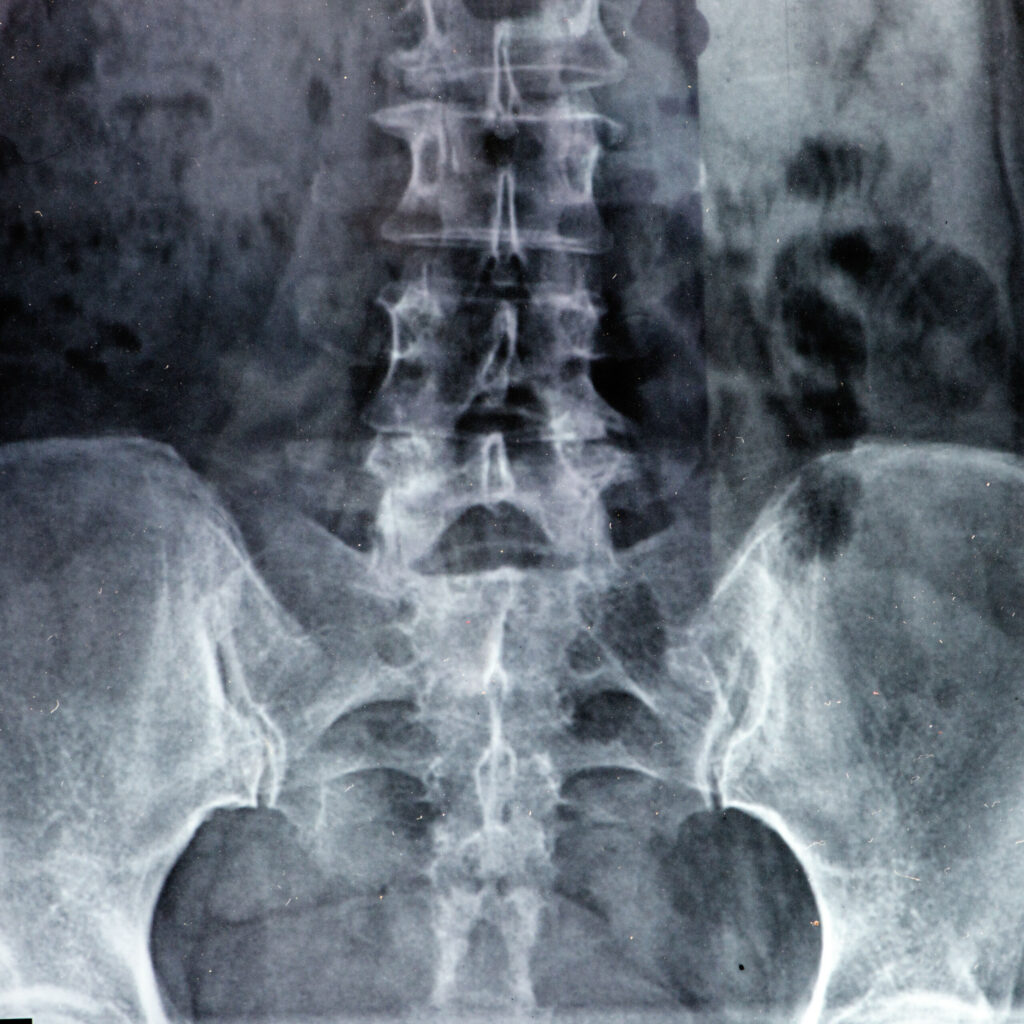
Kelvin returned to hospital two days later, now incontinent and barely able to walk. An urgent MRI confirmed massive central disc prolapse compressing the cauda equina nerve roots. Emergency surgery was performed, but the delay caused by the initial medical negligence had already resulted in irreversible nerve damage. Kelvin now lives with permanent paraparesis, complete loss of bladder and bowel control, sexual dysfunction and chronic neuropathic pain.

Medical Negligence in Failing to Act on Red Flags

Expert evidence obtained during the clinical negligence claim confirmed that Kelvin’s presentation at A&E included multiple cauda equina red flags: severe bilateral sciatica, saddle anaesthesia, urinary dysfunction and leg weakness. National guidelines require immediate MRI and surgical referral in such cases. Medical negligence occurred when these signs were not acted upon and Kelvin was sent home instead of being admitted for urgent imaging.

The delay of approximately 48 hours between first presentation and eventual diagnosis allowed irreversible nerve root compression. Experts agreed that had medical negligence not occurred and surgery taken place within hours of first attendance, Kelvin would likely have made a full or near-full neurological recovery with preserved bladder, bowel and sexual function.

The hospital trust eventually admitted liability for medical negligence. The case settled for a very substantial sum to cover Kelvin’s lifelong care needs, adapted accommodation, specialist equipment, loss of earnings and psychological support following the preventable medical negligence.

Categories: Medical Negligence, Cauda Equina Syndrome, Spinal Injury, Delayed Diagnosis

Keywords: cauda equina syndrome claim, medical negligence CES, saddle anaesthesia delay, emergency MRI failure, spinal decompression negligence, preventable paralysis, red flag symptoms missed, Kelvin cauda equina case

---------------------------------------------------------------------------------------------------------3

Long-Term Consequences for Kelvin After Medical Negligence

Kelvin now requires full-time care due to the permanent disabilities caused by medical negligence. He has incomplete paraparesis, uses a wheelchair full-time, has no bladder or bowel control and relies on intermittent self-catheterisation and bowel management programmes. Chronic neuropathic pain requires daily medication and specialist pain clinic input.

The settlement provides for a team of carers, adapted ground-floor accommodation, specialist equipment (wheelchair-accessible vehicle, profiling bed, hoist, pressure-relieving cushions), ongoing physiotherapy, occupational therapy and psychological support. While the compensation meets practical needs, Kelvin and his family emphasise that no amount can restore the independence and quality of life lost to medical negligence.

Kelvin has chosen to share his story to raise awareness of cauda equina syndrome red flags and the urgency required when they appear. He hopes other patients will receive immediate investigation and treatment so medical negligence does not cause similar preventable paralysis and loss of function in future cases.

Lessons from Kelvin’s Preventable Injury

The case underscores that cauda equina syndrome is a genuine surgical emergency. Medical negligence occurs far too often when GPs or A&E staff attribute bilateral sciatica and saddle numbness to simple back pain without urgent MRI. National guidelines require same-day or next-day imaging and decompression when red flags are present — delays of even 24–48 hours can cause permanent irreversible damage.

Kelvin’s experience highlights the need for mandatory training on cauda equina red flags for all frontline staff in A&E, GP surgeries and musculoskeletal clinics. Medical negligence can be prevented through clear protocols, rapid access to MRI and immediate referral pathways when symptoms suggest compression of the cauda equina nerves.

Patient safety organisations continue to campaign for better awareness and faster response times. They argue that medical negligence in cauda equina cases is almost always avoidable with proper systems, vigilance and a low threshold for urgent investigation when red flags appear.

Why Families Pursue Medical Negligence Claims

Kelvin’s family pursued the claim not only for financial support but to secure accountability and drive change after medical negligence. The settlement funds the enormous ongoing care costs that would otherwise have fallen on family and social services. It also provides some measure of recognition that the harm was preventable and resulted from medical negligence.

Many families in similar cauda equina medical negligence cases report feeling dismissed or blamed when initially raising concerns about care. A successful claim can bring validation, answers and the resources needed to adapt to life with permanent disability caused by medical negligence.

Kelvin and his family hope their case contributes to improved safety standards. They want every patient presenting with cauda equina red flags to receive immediate MRI and surgical decompression so medical negligence no longer results in preventable paralysis, incontinence and loss of independence.

Support and Advice for Cauda Equina Victims

If you or a loved one has suffered permanent disability due to suspected cauda equina syndrome caused by medical negligence, early specialist legal advice is essential. Time limits apply (usually three years from awareness of harm caused by medical negligence), but acting promptly preserves evidence and allows interim payments for urgent care needs.

Specialist medical negligence solicitors assess cases on a No-Win-No-Fee basis after initial review. They instruct leading neurosurgeons, neuroradiologists and rehabilitation experts to prove medical negligence and secure maximum compensation for lifelong needs after cauda equina injury.

Kelvin’s story serves as a powerful reminder that cauda equina syndrome is a genuine emergency. Medical negligence in failing to act on red flags can transform a potentially reversible condition into permanent, life-altering disability. Prompt recognition and decompression remain the key to preventing avoidable harm.

Categories: Medical Negligence, Cauda Equina Syndrome, Spinal Injury, Patient Safety

Keywords: cauda equina syndrome claims, medical negligence CES, saddle anaesthesia delay, emergency MRI failure, spinal decompression negligence, preventable paralysis, red flag symptoms missed, Kelvin cauda equina case

---------------------------------------------------------------------------------------------------------4

Medical Negligence

Medical negligence, also known as clinical negligence (particularly in the UK), occurs when a healthcare professional provides substandard care that falls below the reasonable standard expected of a competent practitioner in similar circumstances, directly causing harm or injury to a patient.To succeed in a claim, four key elements (often referred to as the “4 Ds”) must typically be proven:

  1. Duty of care — A doctor-patient or similar professional relationship existed, establishing that the healthcare provider owed the patient a duty to provide competent treatment.
  2. Breach of duty (or deviation from the standard of care) — The care provided was negligent, meaning it did not meet the accepted professional standards. This is assessed objectively, often with input from independent medical experts, rather than requiring “gold standard” treatment.
  3. Causation — The breach directly caused (or significantly contributed to) the patient’s injury or worsened condition. The harm must be more likely than not attributable to the substandard care.
  4. Damage — The patient suffered actual harm, which may include physical injury, psychological distress, financial loss, additional medical needs, or reduced quality of life.

Common examples include misdiagnosis, delayed diagnosis, surgical errors, incorrect medication, failure to obtain informed consent, or inadequate aftercare. Not every poor outcome or medical mistake constitutes negligence—only those deviating from reasonable professional standards and causing avoidable harm qualify.In the UK, claims are pursued through the civil justice system, often against the NHS or private providers, with the goal of securing compensation to address losses and support recovery. Medical negligence cases can be complex, requiring expert evidence and strict time limits for claims.

Home PageMedical NegligenceMedical NegligenceMedical NegligenceHome PageHome Page Banzai JapanHome PageHome Page – 

‘Kelvin’ 43 Case Study

Rebecca a woman in her 30s

‘Kelvin’ 43 Case Study

‘Amelia’ 7 Case Study cerebral palsy

Leave a comment

Your email address will not be published. Required fields are marked *

Flag Counter