March 29, 2026
# Tags
#Case studies #Medical #Medical Negligence

Brian 70 Case Study

Brian 70 Case Study
1

Brian 70 Case Study

Medical Disclaimer: You understand that any information and content, such as text, graphics, and images, found within our Website is for general educational, entertainment, and informational purposes only.

You understand that such information is not intended nor otherwise implied to be medical advice or a substitute for medical advice, diagnosis, or treatment.(Case Study or News article) 

Full Terms

coco
---------------------------------------------------------------------------------------------------------1

https://sekaigyakuten.jp – A DePRESSeD Media Ltd Website – Cospanic Entertainment Video

---------------------------------------------------------------------------------------------------------2

Brian, 70 Case Study

Initial Presentation and Missed Diagnosis

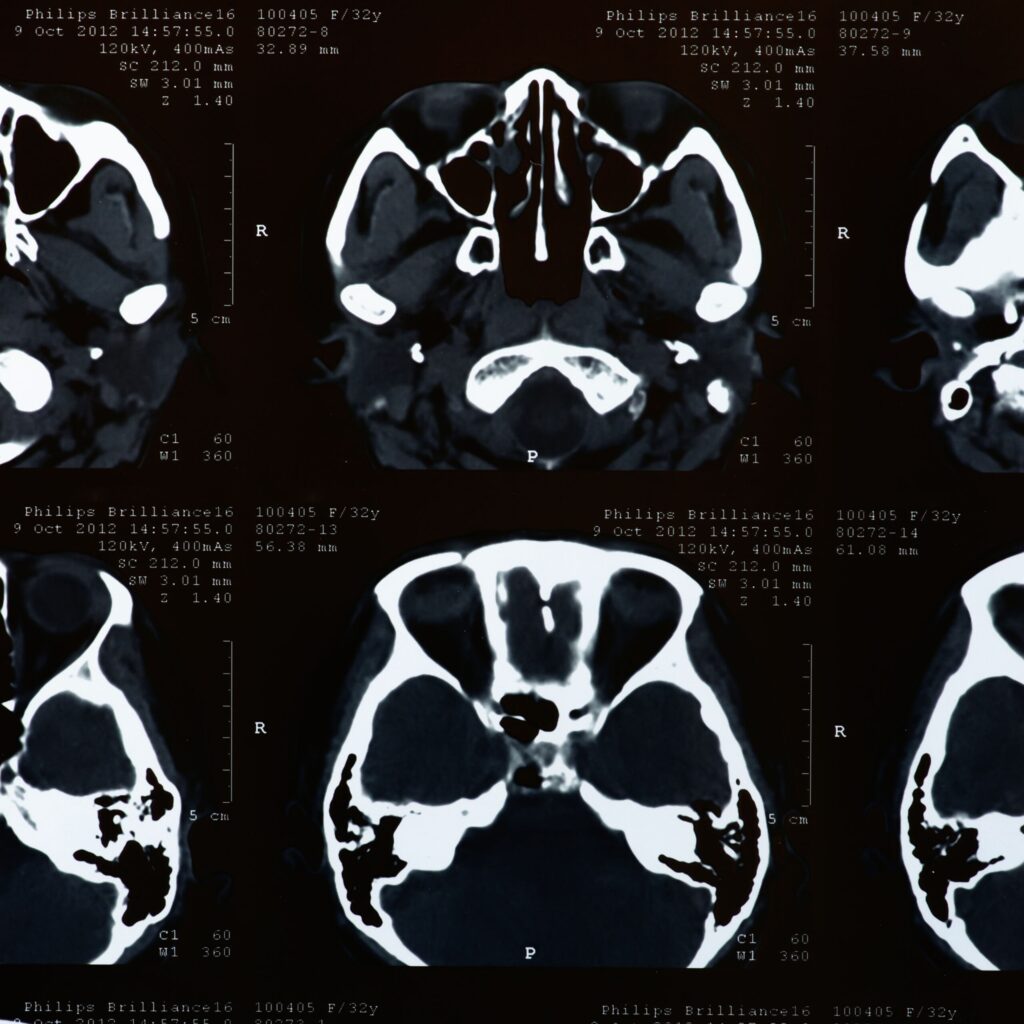
The patient presented to hospital with sudden onset of right-sided weakness, slurred speech and facial droop — classic symptoms of acute ischaemic stroke. Despite these red-flag signs of stroke, medical negligence occurred when the emergency department failed to recognise the condition and initiate the correct urgent pathway.

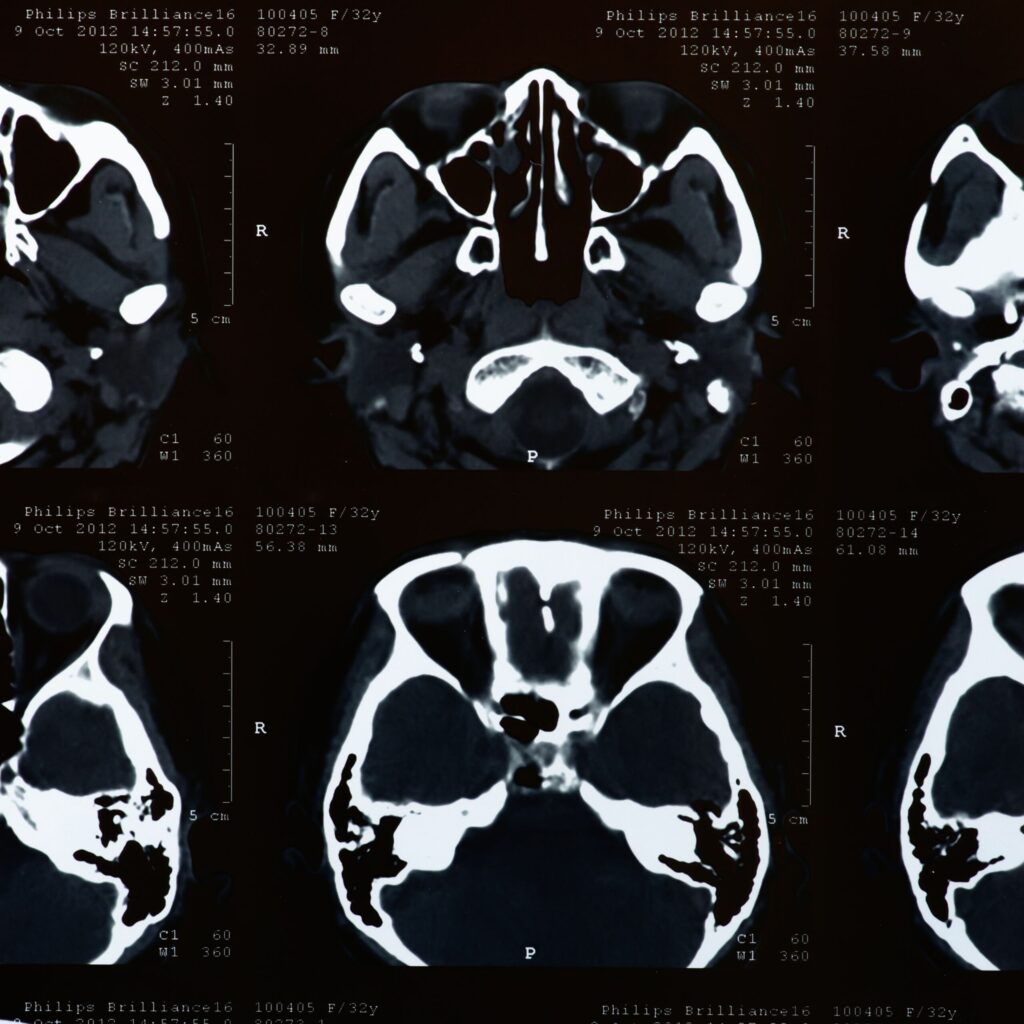
The patient was assessed but not treated as a time-critical stroke case. No immediate CT head scan was performed within the required timeframe, and thrombolysis or thrombectomy was not considered. Medical negligence in failing to follow the national stroke protocol allowed the clot to remain untreated, leading to progression of the infarct and significantly worse brain damage than would have occurred with prompt intervention.

The patient was eventually admitted to a ward but without the benefit of hyperacute stroke therapies. By the time the diagnosis was confirmed the window for clot-busting treatment and clot retrieval had closed. Medical negligence in the initial emergency assessment directly contributed to the extent of the brain injury sustained.

Consequences of the Delayed Treatment

The patient was left with permanent severe right-sided hemiplegia, expressive aphasia, dysphagia requiring modified diet and fluids, visual field defect and significant cognitive impairment. These disabilities mean full dependency on carers for all activities of daily living, with no realistic prospect of meaningful functional recovery.

The patient now requires 24-hour care, specialist equipment (wheelchair, hoist, profiling bed, communication aids), ongoing physiotherapy, speech and language therapy, occupational therapy and psychological support. Medical negligence during the hyperacute phase robbed the patient of the chance for a much milder disability or near-full recovery.

The family pursued a clinical negligence claim against the hospital trust. Expert evidence from consultant stroke physicians and neurologists confirmed that had the patient been treated within the thrombolysis window (up to 4.5 hours) or referred for thrombectomy (up to 24 hours in selected cases), the outcome would likely have been substantially better.

Categories: Medical Negligence, Stroke, Delayed Diagnosis, Patient Safety

Keywords: stroke misdiagnosis, medical negligence delayed thrombolysis, A&E stroke failure, preventable hemiplegia, ischaemic stroke negligence, hyperacute stroke protocol breach, NHS stroke care failings

---------------------------------------------------------------------------------------------------------3

Trust Admits Liability and Settlement Details

The hospital trust admitted liability for medical negligence. The experts agreed that the patient met the criteria for thrombolysis and/or thrombectomy at the time of first presentation, and that the failure to activate the stroke pathway constituted a breach of duty that directly caused or materially worsened the extent of the brain damage.

A substantial settlement was agreed to compensate the patient for pain and suffering, past and future care costs, loss of earnings and earning capacity, adapted accommodation, specialist equipment, private therapies, psychological support and assistance with daily living. The package ensures financial security for lifelong needs arising from the medical negligence.

While the compensation addresses practical and financial requirements, the family stresses that no amount can restore the independence and quality of life lost due to medical negligence. The settlement reflects the severity of the preventable harm and the lifelong consequences of the delayed stroke treatment.

Long-Term Impact After Medical Negligence

The patient now lives with permanent severe disability caused by medical negligence. Right-sided hemiplegia means no functional use of the right arm or leg, expressive aphasia limits communication to yes/no responses and gestures, dysphagia requires modified diet and thickened fluids to prevent aspiration, and cognitive impairment affects memory, concentration and decision-making.

The medical negligence has also caused significant psychological harm to the patient and family. The patient experiences frustration, depression and loss of self-esteem due to the sudden, permanent dependence. The family provides much of the emotional and practical support while dealing with their own grief and stress caused by the preventable outcome.

The patient and family have chosen to share the case to raise awareness of the critical time window in stroke care. They hope other patients receive immediate recognition and treatment of stroke symptoms so medical negligence does not cause similar catastrophic, avoidable disability.

Lessons from the Preventable Stroke Outcome

The case demonstrates that acute ischaemic stroke is a time-critical emergency. Medical negligence occurs far too often when FAST-positive symptoms (face, arm, speech, time) are not treated as such in A&E. National guidelines require immediate CT head within 20 minutes of arrival and thrombolysis within 60 minutes (door-to-needle) or thrombectomy within 6–24 hours in eligible cases.

The delay in this case highlights the need for mandatory stroke training for all A&E staff, clear stroke pathways with rapid senior review, and a low threshold for activating the stroke team. Medical negligence can be prevented through consistent application of the FAST test, rapid imaging and treatment protocols.

Patient safety organisations continue to campaign for better implementation of hyperacute stroke pathways and 24/7 access to thrombectomy centres. Medical negligence in failing to treat stroke promptly can lead to massive, preventable disability — an outcome that could have been largely avoided with timely intervention.

Support and Advice for Stroke Victims

If you or a loved one has suffered severe disability or death after a suspected delayed stroke diagnosis or treatment caused by medical negligence, early specialist legal advice is essential. Time limits apply (usually three years from awareness of harm caused by medical negligence, or from date of death), but acting promptly preserves evidence and allows access to support services.

Specialist medical negligence solicitors assess cases on a No-Win-No-Fee basis after initial review. They instruct leading stroke physicians, neurologists and neuroradiologists to prove medical negligence and secure maximum compensation for lifelong needs after preventable stroke injury.

The family hopes this case raises awareness of the urgency required in stroke care. Medical negligence in failing to activate the stroke pathway promptly can have catastrophic consequences. Immediate CT scanning, thrombolysis and thrombectomy remain the key to preventing avoidable disability and death.

Categories: Medical Negligence, Stroke, Delayed Diagnosis, Patient Safety

Keywords: stroke misdiagnosis, medical negligence delayed thrombolysis, A&E stroke failure, preventable hemiplegia, ischaemic stroke negligence, hyperacute stroke protocol breach, NHS stroke care failings

---------------------------------------------------------------------------------------------------------4

Medical Negligence

Medical negligence, also known as clinical negligence (particularly in the UK), occurs when a healthcare professional provides substandard care that falls below the reasonable standard expected of a competent practitioner in similar circumstances, directly causing harm or injury to a patient.To succeed in a claim, four key elements (often referred to as the “4 Ds”) must typically be proven:

  1. Duty of care — A doctor-patient or similar professional relationship existed, establishing that the healthcare provider owed the patient a duty to provide competent treatment.
  2. Breach of duty (or deviation from the standard of care) — The care provided was negligent, meaning it did not meet the accepted professional standards. This is assessed objectively, often with input from independent medical experts, rather than requiring “gold standard” treatment.
  3. Causation — The breach directly caused (or significantly contributed to) the patient’s injury or worsened condition. The harm must be more likely than not attributable to the substandard care.
  4. Damage — The patient suffered actual harm, which may include physical injury, psychological distress, financial loss, additional medical needs, or reduced quality of life.

Common examples include misdiagnosis, delayed diagnosis, surgical errors, incorrect medication, failure to obtain informed consent, or inadequate aftercare. Not every poor outcome or medical mistake constitutes negligence—only those deviating from reasonable professional standards and causing avoidable harm qualify.In the UK, claims are pursued through the civil justice system, often against the NHS or private providers, with the goal of securing compensation to address losses and support recovery. Medical negligence cases can be complex, requiring expert evidence and strict time limits for claims.

Home PageMedical NegligenceMedical NegligenceMedical NegligenceHome PageHome Page Banzai JapanHome PageHome Page – 

Brian 70 Case Study

‘Philippa’ 58 a man in his 50s

Brian 70 Case Study

“Freddie” now 8 Case Study

Leave a comment

Your email address will not be published. Required fields are marked *

Flag Counter