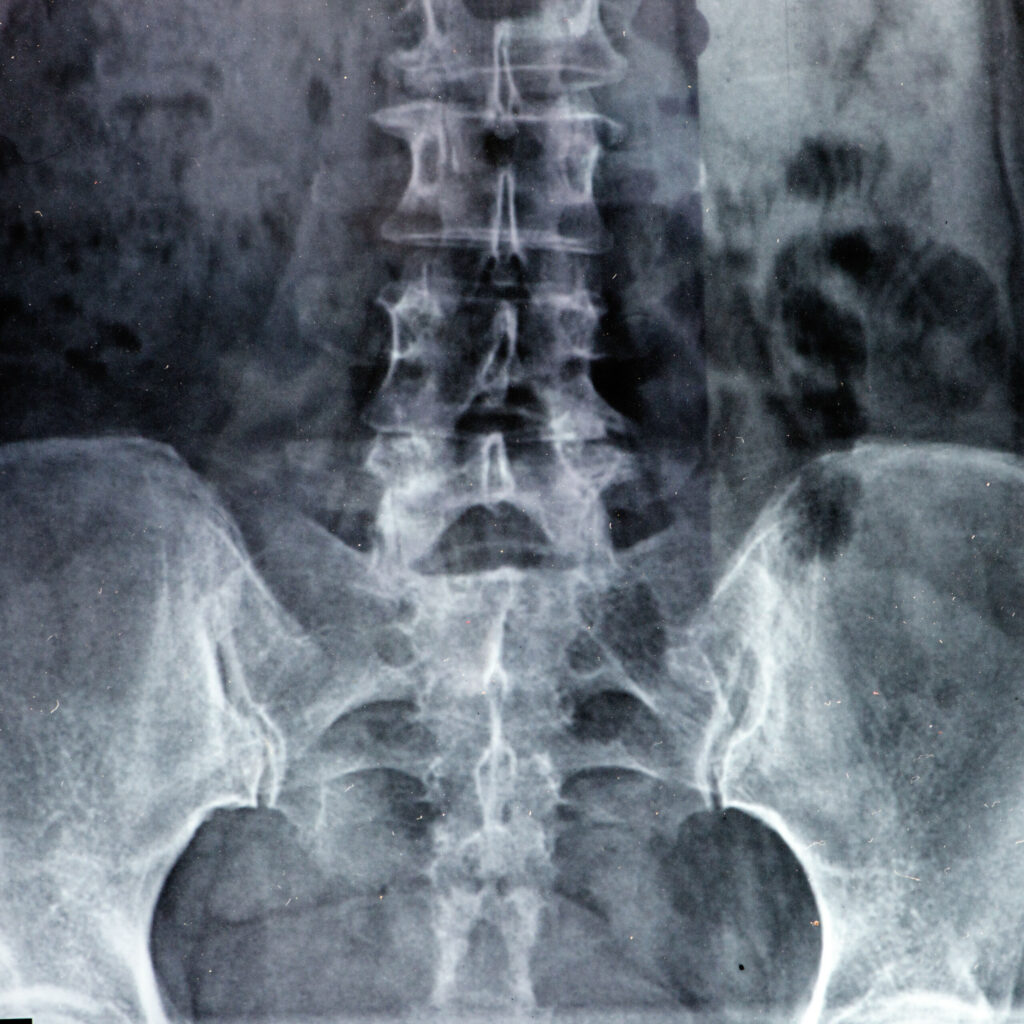
Cauda Equina Syndrome Claims
Medical Disclaimer: You understand that any information and content, such as text, graphics, and images, found within our Website is for general educational, entertainment, and informational purposes only.
You understand that such information is not intended nor otherwise implied to be medical advice or a substitute for medical advice, diagnosis, or treatment.(Case Study or News article)
1


https://sekaigyakuten.jp – A DePRESSeD Media Ltd Website – Cospanic Entertainment Video

Cauda Equina Syndrome Claims
What Is Cauda Equina Syndrome and Why Medical Negligence Matters
Cauda equina syndrome (CES) is a rare but serious neurological condition where the bundle of nerve roots at the lower end of the spinal cord (the cauda equina) becomes compressed. This compression can cause permanent paralysis, loss of bowel and bladder control, sexual dysfunction and chronic pain if not diagnosed and treated extremely quickly — usually within 24–48 hours of symptom onset.
Medical negligence in cauda equina syndrome cases most commonly occurs when doctors or hospitals fail to recognise the classic “red flag” symptoms or do not act with the necessary urgency. These red flags include severe low back pain with sciatica in both legs, saddle anaesthesia (numbness in the buttocks, genitals and inner thighs), urinary or bowel dysfunction (incontinence or retention), and sexual dysfunction. When these symptoms are missed, misdiagnosed as simple sciatica or back strain, or when MRI scanning and emergency surgery are delayed, medical negligence often results in irreversible nerve damage.
Compensation claims for cauda equina syndrome are pursued when medical negligence can be proven to have caused or significantly worsened the outcome. Successful claims can secure life-changing financial support for 24-hour care, adapted housing, specialist equipment, therapies, lost earnings and psychological support after medical negligence has caused permanent disability.
Common Causes of Medical Negligence in Cauda Equina Cases
The most frequent form of medical negligence involves failure to recognise or act on red flag symptoms in A&E, GP surgeries or orthopaedic clinics. Patients are sometimes sent home with painkillers or physiotherapy referrals despite reporting saddle anaesthesia, urinary retention or bilateral leg weakness — classic signs that require immediate MRI and surgical decompression.
Another common type of medical negligence is delay in arranging an MRI scan after red flags are noted. Even when the need for urgent imaging is documented, waits of several days (or longer) can allow irreversible nerve compression to occur. Medical negligence also arises when the scan is reported incorrectly or the patient is not transferred to a neurosurgical centre quickly enough for emergency surgery.
Surgical medical negligence can occur during the decompression operation itself — for example, inadequate decompression, damage to nerve roots, or failure to address ongoing compression. In some cases, medical negligence happens post-operatively with poor monitoring, delayed treatment of complications or inadequate rehabilitation planning.
Categories: Medical Negligence, Spinal Injury, Cauda Equina Syndrome, Patient Safety
Keywords: cauda equina syndrome claims, medical negligence CES, saddle anaesthesia delay, emergency MRI failure, spinal decompression negligence, preventable paralysis claim, red flag symptoms missed
The Claims Process for Cauda Equina Syndrome Cases
The process begins with a free, no-obligation consultation with a specialist medical negligence solicitor. They will listen carefully to your account of symptom onset, medical consultations, delays in diagnosis and treatment, and the long-term impact on your life after medical negligence.
If the solicitor takes the case forward on a No-Win-No-Fee basis, they will obtain your complete medical records from the GP, hospital, ambulance service and any other involved providers. Independent experts — typically consultant neurosurgeons, neuroradiologists, urologists and rehabilitation specialists — will be instructed to assess whether there was medical negligence and whether it caused or materially contributed to your permanent disability.
Once liability is established or strongly arguable, the solicitor will quantify the full extent of your losses — pain and suffering, past and future care costs, loss of earnings or earning capacity, adapted accommodation, specialist equipment (wheelchairs, hoists, bladder/bowel management aids), therapies, psychological support, transport costs and assistance with daily living. A formal letter of claim is sent to the trust or private provider. Most cauda equina syndrome claims settle out of court after liability is admitted.
Compensation for Permanent Disability After Medical Negligence
Compensation in cauda equina syndrome claims is divided into general damages (for pain, suffering and loss of amenity) and special damages (for financial losses and future needs). General damages reflect the severity of paralysis, loss of bowel/bladder/sexual function, chronic pain and psychological impact caused by medical negligence.
Special damages are usually the largest element in serious cases. They cover past and future care costs (often 24-hour care by a team of carers), loss of earnings or earning capacity, adapted accommodation (level-access housing, stairlifts, wet rooms), specialist equipment (wheelchairs, standing frames, communication aids), private therapies, medical treatment, transport costs and assistance with daily living after medical negligence.
In high-value cauda equina claims resulting from medical negligence, periodical payments (annual index-linked sums) are frequently used to guarantee lifelong financial security for care and equipment costs. The overall aim is to put the injured person — as far as money can — in the position they would have been in had the medical negligence never occurred.
Time Limits and the Importance of Early Advice
You generally have three years from the date you became aware (or should reasonably have become aware) that your injury or disability was caused by medical negligence. In cases of lack of mental capacity there is usually no time limit. Early legal advice is still essential even if many years have passed since the original medical negligence.
Acting early preserves important evidence — such as original hospital notes, imaging, nursing records and witness recollections — that can be lost or degraded over time. Early involvement also allows solicitors to secure interim payments in strong cases to fund immediate care needs, equipment and rehabilitation after medical negligence.
Contacting a specialist medical negligence solicitor early does not commit you to anything. It simply provides expert guidance on whether you have a viable cauda equina syndrome claim, the likely value, and the best way forward — all without any financial risk.
Choosing Specialist Cauda Equina Solicitors
When selecting solicitors for a cauda equina syndrome claim, choose specialists who work exclusively in medical negligence, have extensive experience in high-value spinal cord injury and cauda equina cases, and are accredited by organisations such as Action against Medical Accidents (AvMA) or the Law Society’s Clinical Negligence Accreditation Scheme.
A dedicated cauda equina team will treat your case with empathy and understanding, explain every step in plain language, keep you regularly updated, and fight to secure the maximum compensation possible after medical negligence. They will instruct leading experts and, where necessary, top barristers specialising in catastrophic injury and medical negligence claims.
If you or a loved one has suffered permanent disability due to cauda equina syndrome caused by medical negligence, reach out for a free, no-obligation consultation today. Early advice can make a significant difference to both the strength of your claim and your future after medical negligence.
Categories: Medical Negligence, Spinal Injury, Cauda Equina Syndrome, Patient Safety
Keywords: cauda equina syndrome claims, medical negligence CES, saddle anaesthesia delay, emergency MRI failure, spinal decompression negligence, preventable paralysis claim, red flag symptoms missed
Medical Negligence
Medical negligence, also known as clinical negligence (particularly in the UK), occurs when a healthcare professional provides substandard care that falls below the reasonable standard expected of a competent practitioner in similar circumstances, directly causing harm or injury to a patient.To succeed in a claim, four key elements (often referred to as the “4 Ds”) must typically be proven:
- Duty of care — A doctor-patient or similar professional relationship existed, establishing that the healthcare provider owed the patient a duty to provide competent treatment.
- Breach of duty (or deviation from the standard of care) — The care provided was negligent, meaning it did not meet the accepted professional standards. This is assessed objectively, often with input from independent medical experts, rather than requiring “gold standard” treatment.
- Causation — The breach directly caused (or significantly contributed to) the patient’s injury or worsened condition. The harm must be more likely than not attributable to the substandard care.
- Damage — The patient suffered actual harm, which may include physical injury, psychological distress, financial loss, additional medical needs, or reduced quality of life.
Common examples include misdiagnosis, delayed diagnosis, surgical errors, incorrect medication, failure to obtain informed consent, or inadequate aftercare. Not every poor outcome or medical mistake constitutes negligence—only those deviating from reasonable professional standards and causing avoidable harm qualify.In the UK, claims are pursued through the civil justice system, often against the NHS or private providers, with the goal of securing compensation to address losses and support recovery. Medical negligence cases can be complex, requiring expert evidence and strict time limits for claims.
Home Page – Medical Negligence – Medical Negligence – Medical Negligence – Home Page – Home Page – Banzai Japan – Home Page – Home Page –


https://banzaijapan.jp – A DePRESSeD Media Ltd Website – Cospanic Entertainment Video