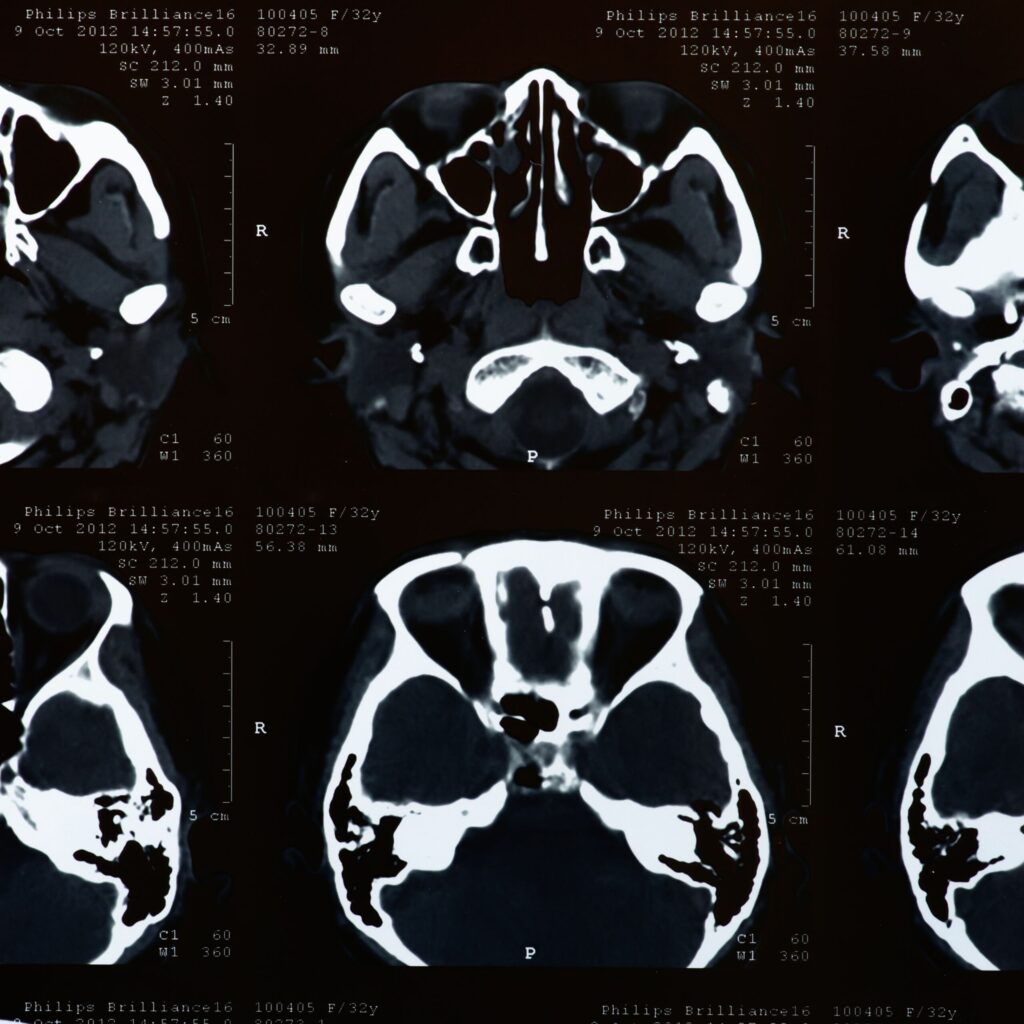
Curb rising NHS negligence payouts health leaders urge
-
MRPMWoodman
- February 2, 2018
- 0
- 8 min read
Curb rising NHS negligence payouts health leaders urge
Medical Disclaimer: You understand that any information and content, such as text, graphics, and images, found within our Website is for general educational, entertainment, and informational purposes only.
You understand that such information is not intended nor otherwise implied to be medical advice or a substitute for medical advice, diagnosis, or treatment.(Case Study or News article)
https://sekaigyakuten.jp – A DePRESSeD Media Ltd Website – Cospanic Entertainment Video
Curb rising NHS negligence payouts health leaders urge
Escalating Costs Threaten NHS Future
Senior health leaders have warned that the rapidly rising cost of NHS negligence payouts has become unsustainable and must be urgently curbed. The latest figures show clinical negligence expenditure reaching record levels, with billions of pounds now being paid out annually in damages and legal fees for cases of medical negligence.
Medical negligence claims, particularly those involving severe birth injuries and lifelong disabilities, continue to drive the majority of costs. In the most recent reporting period the NHS paid out more than £2.5 billion in total, with maternity-related medical negligence accounting for over half of the expenditure despite representing only a small fraction of overall incidents.
Health leaders argue that without significant reform the spiralling medical negligence bill will continue to drain resources that should be spent on patient care, staff recruitment, equipment, and waiting list reductions. The current trajectory is described as a major threat to the long-term financial viability of the health service.
Maternity Claims Remain the Largest Driver
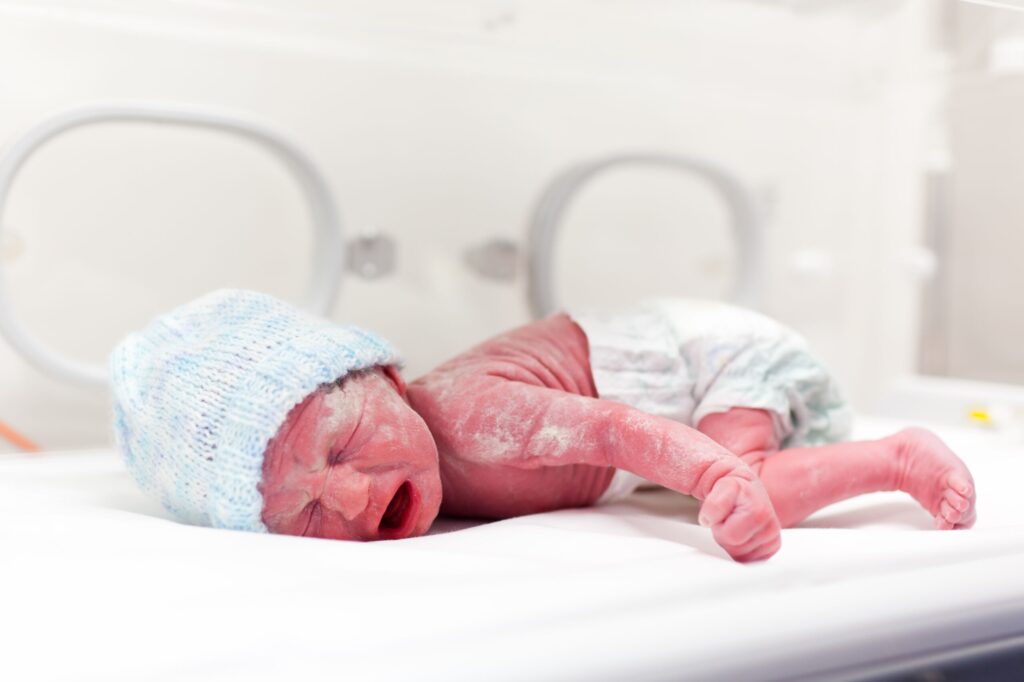
Medical negligence in maternity services consistently generates the highest-value claims. Failures in fetal monitoring, delayed Caesarean sections, mismanagement of shoulder dystocia, and inadequate resuscitation frequently result in cerebral palsy or hypoxic brain injury, leading to settlements that can exceed £10–20 million per case when lifelong care costs are included.
These large payouts reflect both the severity of harm caused by medical negligence and advances in life expectancy for children with profound disabilities. As care inflation continues to rise, the projected lifetime cost of each successful medical negligence claim grows even larger.
NHS Resolution reports that claimant legal costs in maternity cases often rival or exceed the damages paid to families. This imbalance means the health service is spending disproportionately on the litigation process itself rather than on preventing medical negligence or supporting direct patient care.
Health Leaders Call for Immediate Action
Leading figures from NHS England, NHS Resolution and the Department of Health have united in urging reform to curb rising medical negligence payouts. They argue that the current system is inefficient, adversarial, and financially damaging, with excessive legal fees inflating the overall bill far beyond what is necessary to compensate victims fairly.
Proposed solutions include fixed recoverable costs for certain medical negligence claims, caps on success fees and after-the-event insurance premiums, and exploration of a no-fault compensation scheme for specific high-cost cases — particularly severe birth injuries caused by medical negligence.
Health leaders stress that fair compensation for genuine victims of medical negligence must remain protected. However, they warn that without structural change the NHS will face an ever-increasing burden that threatens core services and patient safety investment.
Categories: Medical Negligence, NHS Litigation, Patient Safety, Maternity Claims
Keywords: NHS negligence payouts, medical negligence costs rise, maternity claims expenditure, clinical negligence bill, NHS Resolution figures, birth injury compensation, curb medical negligence costs
Prevention Must Take Priority Over Payouts
Health leaders emphasise that the most effective way to curb rising medical negligence payouts is to prevent incidents occurring in the first place. Significant investment in maternity safety programmes, early warning systems, and adequate staffing is essential to address the root causes of medical negligence.
Initiatives such as the Maternity Safety Support Programme, Early Notification Scheme, and Saving Babies’ Lives Care Bundle focus on improving fetal monitoring, timely intervention, and learning from adverse events. Consistent national implementation of these measures could substantially reduce medical negligence and the resulting high-value claims.
A just culture — where staff feel safe to report concerns without fear of undue blame — is also critical. Medical negligence often stems from systemic pressures rather than individual recklessness, and addressing workload, staffing, and support would decrease both harm and subsequent medical negligence litigation.
Human Stories Behind the Record Costs
Behind the £1.4 billion headline figure are families facing lifelong consequences of medical negligence. Children with cerebral palsy or other severe disabilities require constant care, specialist equipment, and therapies — costs that can run into tens of millions over a lifetime and drive many of the largest payouts.
Bereaved parents who lose children to medical negligence describe the double tragedy of grief compounded by prolonged legal proceedings. Many feel the current system prolongs suffering rather than providing swift support and genuine learning from medical negligence incidents.
The escalating medical negligence costs reflect not only the price of compensating victims but also the inefficiency of the adversarial process. Families often wait years for resolution, adding emotional and financial strain on top of the original harm caused by medical negligence.
Proposed Reforms and Path Forward
Reform options include fixed recoverable costs for all clinical negligence claims, caps on certain legal fees, and a dedicated no-fault scheme for catastrophic birth injuries caused by medical negligence. Such changes could reduce legal fees while ensuring fair, timely support for affected families.
At the same time, NHS Resolution continues to fund proactive safety programmes aimed at reducing medical negligence incidents. The Early Notification Scheme, for example, identifies severe brain injuries at birth early, enabling faster investigation and learning to prevent recurrence.
Health leaders agree that the failing medical negligence system must change. Balancing fair compensation for victims with financial sustainability requires political will, cross-sector collaboration, and a renewed focus on prevention so resources can be redirected toward safe, high-quality patient care rather than ever-rising litigation expenses.
Urgency for Comprehensive Change
The pressure for reform is intensifying as medical negligence costs continue to climb. Stakeholders across healthcare, law, and government increasingly recognise that the status quo is untenable and that action is needed to curb excessive legal fees while preserving access to justice for victims of medical negligence.
The ultimate aim is a system that delivers swift, fair support to those harmed by medical negligence while freeing up resources to prevent future incidents. Achieving this balance will require sustained commitment to patient safety, cultural change, and structural reform across the NHS.
Until medical negligence is significantly reduced at source, the NHS will continue facing an enormous legal fees bill. The failing system must change — not only to control expenditure, but to protect patients, support families, and restore trust in healthcare delivery.
Categories: Medical Negligence, NHS Litigation, Patient Safety, Maternity Claims
Keywords: NHS negligence £1.4bn, medical negligence legal costs, maternity claims bill, NHS Resolution figures, cerebral palsy compensation, birth injury payouts, escalating NHS litigation, patient safety reform
Medical Negligence
Medical negligence, also known as clinical negligence (particularly in the UK), occurs when a healthcare professional provides substandard care that falls below the reasonable standard expected of a competent practitioner in similar circumstances, directly causing harm or injury to a patient.To succeed in a claim, four key elements (often referred to as the “4 Ds”) must typically be proven:
- Duty of care — A doctor-patient or similar professional relationship existed, establishing that the healthcare provider owed the patient a duty to provide competent treatment.
- Breach of duty (or deviation from the standard of care) — The care provided was negligent, meaning it did not meet the accepted professional standards. This is assessed objectively, often with input from independent medical experts, rather than requiring “gold standard” treatment.
- Causation — The breach directly caused (or significantly contributed to) the patient’s injury or worsened condition. The harm must be more likely than not attributable to the substandard care.
- Damage — The patient suffered actual harm, which may include physical injury, psychological distress, financial loss, additional medical needs, or reduced quality of life.
Common examples include misdiagnosis, delayed diagnosis, surgical errors, incorrect medication, failure to obtain informed consent, or inadequate aftercare. Not every poor outcome or medical mistake constitutes negligence—only those deviating from reasonable professional standards and causing avoidable harm qualify.In the UK, claims are pursued through the civil justice system, often against the NHS or private providers, with the goal of securing compensation to address losses and support recovery. Medical negligence cases can be complex, requiring expert evidence and strict time limits for claims.
Home Page – Medical Negligence – Medical Negligence – Medical Negligence – Home Page – Home Page – Banzai Japan – Home Page – Home Page –
https://banzaijapan.jp – A DePRESSeD Media Ltd Website – Cospanic Entertainment Video
English