March 29, 2026
# Tags
#Case studies #Medical #Medical Negligence

“Ava” now eight Case Study

“Ava” now eight Case Study

“Ava” now eight Case Study

Medical Disclaimer: You understand that any information and content, such as text, graphics, and images, found within our Website is for general educational, entertainment, and informational purposes only.

You understand that such information is not intended nor otherwise implied to be medical advice or a substitute for medical advice, diagnosis, or treatment.(Case Study or News article) 

Full Terms

---------------------------------------------------------------------------------------------------------1

1

coco

https://sekaigyakuten.jp – A DePRESSeD Media Ltd Website – Cospanic Entertainment Video

---------------------------------------------------------------------------------------------------------2

“Ava” now eight Case Study

Pregnancy and Early Labour Concerns

Ava’s mother was pregnant with her first child and attended regular antenatal appointments at a hospital trust in the north of England. From 36 weeks she repeatedly reported reduced fetal movements, severe abdominal pain and episodes of reduced fetal activity lasting several hours. These are recognised red-flag symptoms that require urgent investigation including CTG monitoring, ultrasound assessment of liquor volume and consideration of early delivery.

On multiple occasions the mother was reassured by midwives that everything was normal after brief auscultation of the fetal heart. No formal CTG monitoring, growth scan or senior obstetric review was arranged despite her persistent concerns. Medical negligence began here: failure to investigate repeated reports of reduced fetal movements breached national guidelines and allowed potential compromise to continue undetected.

At 39 weeks the mother attended hospital again after another prolonged period of reduced movements. A short CTG was performed but was not continued long enough to capture concerning patterns. She was discharged home once again with advice to monitor kicks. Medical negligence in not admitting her for prolonged monitoring or expediting delivery meant the baby remained at risk of hypoxia inside the womb.

Labour and Critical Failings in Monitoring

When labour eventually started spontaneously the mother was readmitted. The CTG trace quickly showed pathological features — late decelerations, reduced variability and prolonged bradycardia — indicating fetal distress and possible oxygen deprivation. Medical negligence occurred when these abnormal patterns were not recognised promptly or escalated to senior obstetric review with sufficient urgency.

Despite the concerning trace persisting for several hours, there was no decision to expedite delivery by emergency Caesarean section. The delay allowed prolonged hypoxia to cause irreversible brain damage. Ava was eventually delivered in poor condition with severe acidosis and very low Apgar scores, requiring immediate resuscitation and transfer to neonatal intensive care.

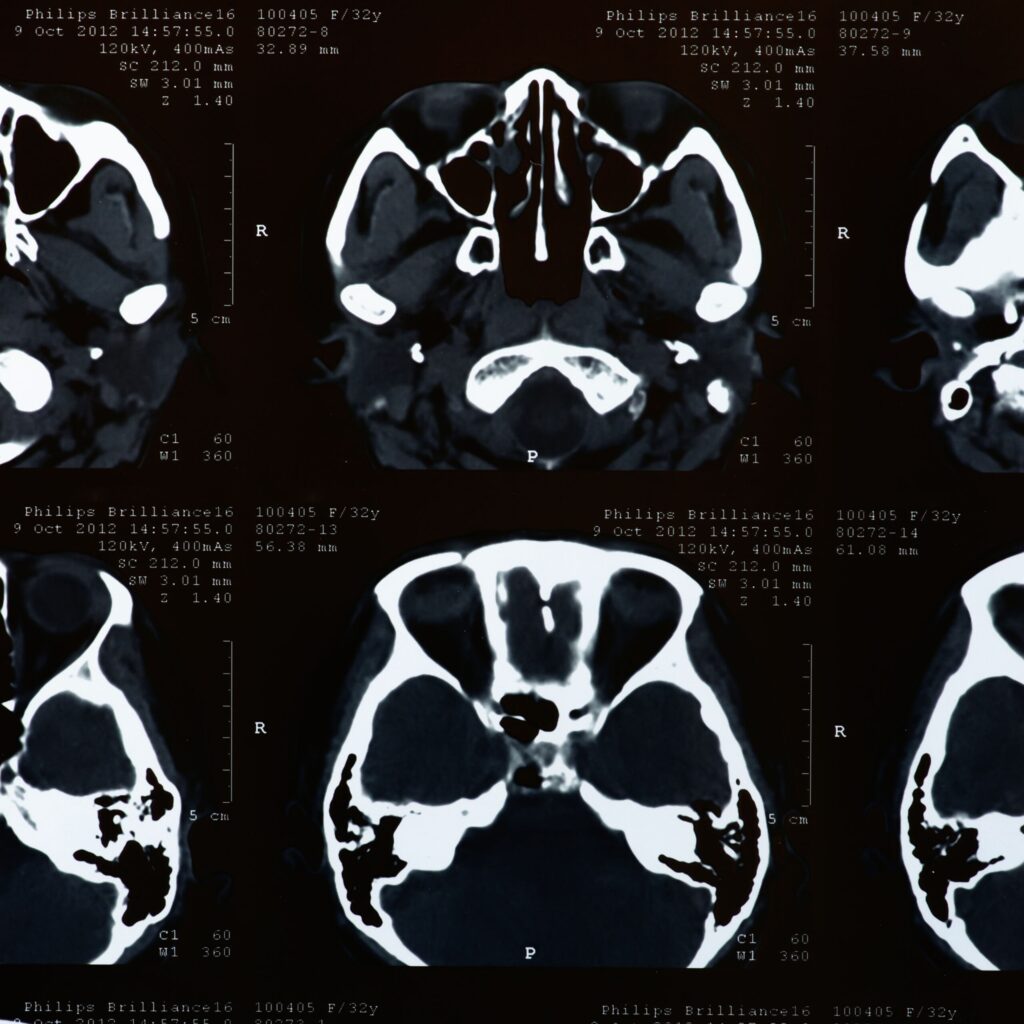
Ava was diagnosed with hypoxic-ischaemic encephalopathy (HIE) and later confirmed to have spastic quadriplegic cerebral palsy, severe learning disabilities, epilepsy, cortical visual impairment and total dependency for all aspects of daily living — directly attributable to medical negligence in antenatal monitoring and intrapartum care.

Categories: Medical Negligence, Birth Injury, Cerebral Palsy, Maternity Claims

Keywords: Ava cerebral palsy case, medical negligence birth injury, reduced fetal movements failure, delayed Caesarean section, fetal distress CTG failure, hypoxic brain damage claim, maternity negligence settlement

---------------------------------------------------------------------------------------------------------3

Trust Admits Liability and Substantial Settlement

Ava’s parents instructed specialist medical negligence solicitors shortly after her diagnosis. Independent experts — consultant obstetricians, neonatologists and paediatric neurologists — unanimously concluded that medical negligence had occurred. Proper investigation of repeated reduced fetal movements and timely delivery when the CTG became pathological would almost certainly have prevented or substantially reduced the brain injury.

The hospital trust eventually admitted full liability for medical negligence. The experts agreed that adherence to national guidelines on reduced fetal movements and intrapartum monitoring would have resulted in a healthy baby without cerebral palsy. The repeated failure to escalate care constituted medical negligence that directly caused Ava’s permanent disabilities.

A substantial settlement was agreed to provide Ava with lifelong financial security. The package includes 24-hour specialist care, adapted housing, specialist equipment (powered wheelchair, standing frame, communication aids), private therapies, medical expenses and psychological support for the family — ensuring the best possible quality of life after medical negligence at birth.

Ava’s Lifelong Disabilities and Family Impact

Ava, now eight years old, lives with profound physical and cognitive disabilities caused by medical negligence during pregnancy and labour. She is non-verbal, wheelchair-dependent, doubly incontinent, feeds via gastrostomy and experiences frequent seizures requiring daily medication and specialist neurology input. She requires 24-hour care and support for all daily activities.

The settlement provides for a dedicated care team, specialist physiotherapy, occupational therapy, speech and language therapy, hydrotherapy, adapted ground-floor accommodation, powered wheelchair, standing frame, specialist bed, communication aids and transport. The package ensures Ava receives the best possible support tailored to her complex needs arising from medical negligence.

Ava’s parents continue to advocate for improved maternity safety standards. They hope their daughter’s case highlights the devastating consequences of medical negligence in failing to investigate reduced fetal movements and act on pathological CTG traces — and drives change so other babies are protected from preventable brain injury.

Lessons from the Preventable Brain Injury

The case demonstrates that reduced fetal movements and pathological CTG traces are genuine emergencies in late pregnancy and labour. Medical negligence occurs far too often when these signs are dismissed or not escalated with sufficient urgency. National guidelines require immediate investigation and consideration of delivery when movements are significantly reduced or CTG becomes pathological.

Ava’s story underscores the need for mandatory training on fetal movement awareness and CTG interpretation for all maternity staff, clear patient information, and a low threshold for admission and monitoring when concerns are raised. Medical negligence can be prevented through consistent application of these evidence-based protocols.

Patient safety organisations continue to campaign for better implementation of the Saving Babies’ Lives Care Bundle and Each Baby Counts recommendations. These focus on fetal monitoring, timely intervention and learning from adverse events to reduce preventable cases of medical negligence during pregnancy and birth.

Support and Advice for Families

If you believe your child’s cerebral palsy or other birth injury was caused by medical negligence, early specialist legal advice is essential. Time limits apply (usually three years from awareness of harm caused by medical negligence for adults; until age 18 for children), but acting promptly preserves evidence and allows interim payments for immediate care needs.

Specialist medical negligence solicitors assess cases on a No-Win-No-Fee basis after initial review. They instruct leading obstetricians, neonatologists and paediatric neurologists to prove medical negligence and secure maximum compensation for lifelong needs after preventable birth injury.

Ava’s family hope their daughter’s story raises awareness of the urgency required when reduced fetal movements or abnormal CTG traces are reported. They want every maternity unit to treat these signs with the seriousness they deserve so medical negligence no longer results in preventable cerebral palsy or other catastrophic injuries.

Categories: Medical Negligence, Birth Injury, Cerebral Palsy, Maternity Claims

Keywords: Ava cerebral palsy case, medical negligence birth injury, reduced fetal movements failure, delayed Caesarean section, fetal distress CTG failure, hypoxic brain damage claim, maternity negligence settlement

---------------------------------------------------------------------------------------------------------4

Medical Negligence

Medical negligence, also known as clinical negligence (particularly in the UK), occurs when a healthcare professional provides substandard care that falls below the reasonable standard expected of a competent practitioner in similar circumstances, directly causing harm or injury to a patient.To succeed in a claim, four key elements (often referred to as the “4 Ds”) must typically be proven:

  1. Duty of care — A doctor-patient or similar professional relationship existed, establishing that the healthcare provider owed the patient a duty to provide competent treatment.
  2. Breach of duty (or deviation from the standard of care) — The care provided was negligent, meaning it did not meet the accepted professional standards. This is assessed objectively, often with input from independent medical experts, rather than requiring “gold standard” treatment.
  3. Causation — The breach directly caused (or significantly contributed to) the patient’s injury or worsened condition. The harm must be more likely than not attributable to the substandard care.
  4. Damage — The patient suffered actual harm, which may include physical injury, psychological distress, financial loss, additional medical needs, or reduced quality of life.

Common examples include misdiagnosis, delayed diagnosis, surgical errors, incorrect medication, failure to obtain informed consent, or inadequate aftercare. Not every poor outcome or medical mistake constitutes negligence—only those deviating from reasonable professional standards and causing avoidable harm qualify.In the UK, claims are pursued through the civil justice system, often against the NHS or private providers, with the goal of securing compensation to address losses and support recovery. Medical negligence cases can be complex, requiring expert evidence and strict time limits for claims.

Home PageMedical NegligenceMedical NegligenceMedical NegligenceHome PageHome Page Banzai JapanHome PageHome Page – 

“Ava” now eight Case Study

‘Chris’ 59 Case Study

“Ava” now eight Case Study

Ted Case Study

Leave a comment

Your email address will not be published. Required fields are marked *

Flag Counter