Negligent care caused womans brain damage judge
-
MRPMWoodman
- March 16, 2026
- 0
- 8 min read
Negligent care caused womans brain damage judge
Medical Disclaimer: You understand that any information and content, such as text, graphics, and images, found within our Website is for general educational, entertainment, and informational purposes only.
You understand that such information is not intended nor otherwise implied to be medical advice or a substitute for medical advice, diagnosis, or treatment.(Case Study or News article)
2
https://banzaijapan.jp – A DePRESSeD Media Ltd Website – Cospanic Entertainment Video
Negligent care caused womans brain damage judge
High Court Rules on Catastrophic Brain Injury
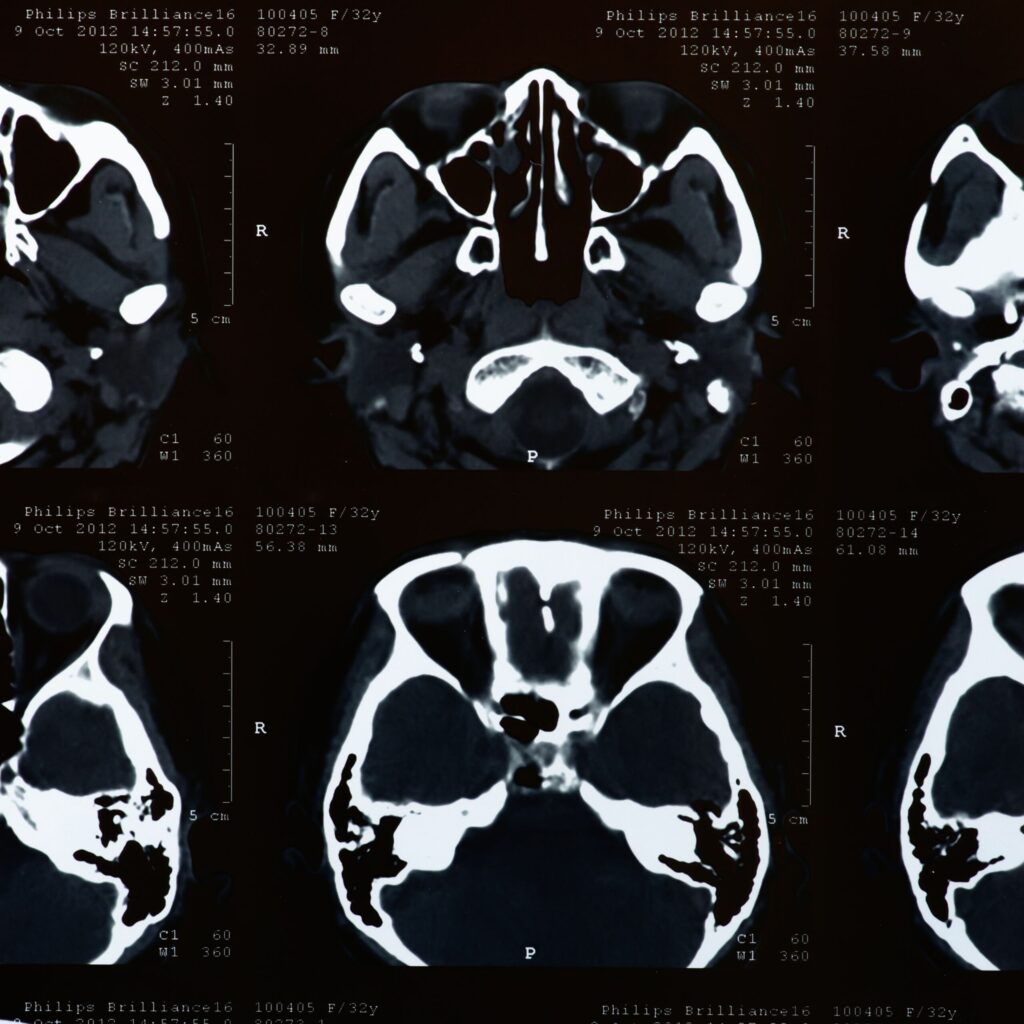
A High Court judge has ruled that negligent care at a hospital directly caused a woman to suffer permanent and severe brain damage. The judgment found multiple instances of medical negligence during her treatment for a treatable condition, leading to prolonged hypoxia and irreversible neurological harm.
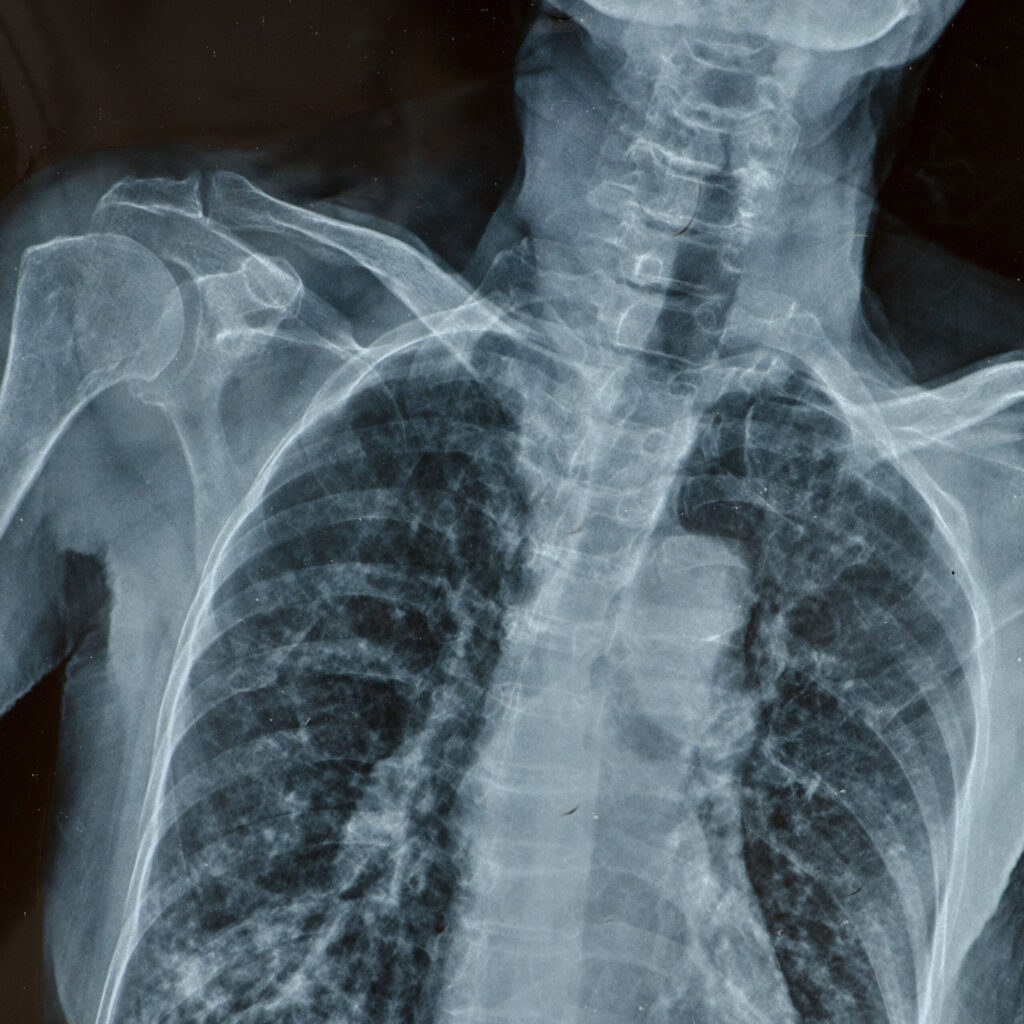
The woman was admitted to hospital with symptoms consistent with a serious respiratory infection. Despite clear clinical indicators of deterioration, medical staff failed to escalate her care appropriately, resulting in respiratory arrest and catastrophic brain injury. The judge described the sequence of medical negligence as a series of missed opportunities that ultimately proved devastating.
Medical negligence was established in several key areas: inadequate monitoring of vital signs, delay in administering oxygen therapy, failure to summon senior medical review in a timely manner, and poor communication between nursing and medical teams. These cumulative failures allowed her oxygen levels to drop critically for an extended period.
Timeline of Hospital Admission and Deterioration
The patient arrived at the emergency department complaining of severe shortness of breath, chest pain, and confusion. Initial assessments recorded low oxygen saturations and raised respiratory rate, but she was not placed on continuous monitoring or given supplemental oxygen promptly.
Over several hours her condition worsened markedly. Nursing staff documented declining saturations, yet escalation to the medical team was delayed. When senior review finally occurred, the patient was in respiratory failure. Medical negligence in failing to recognise and act on these warning signs was central to the court’s findings.
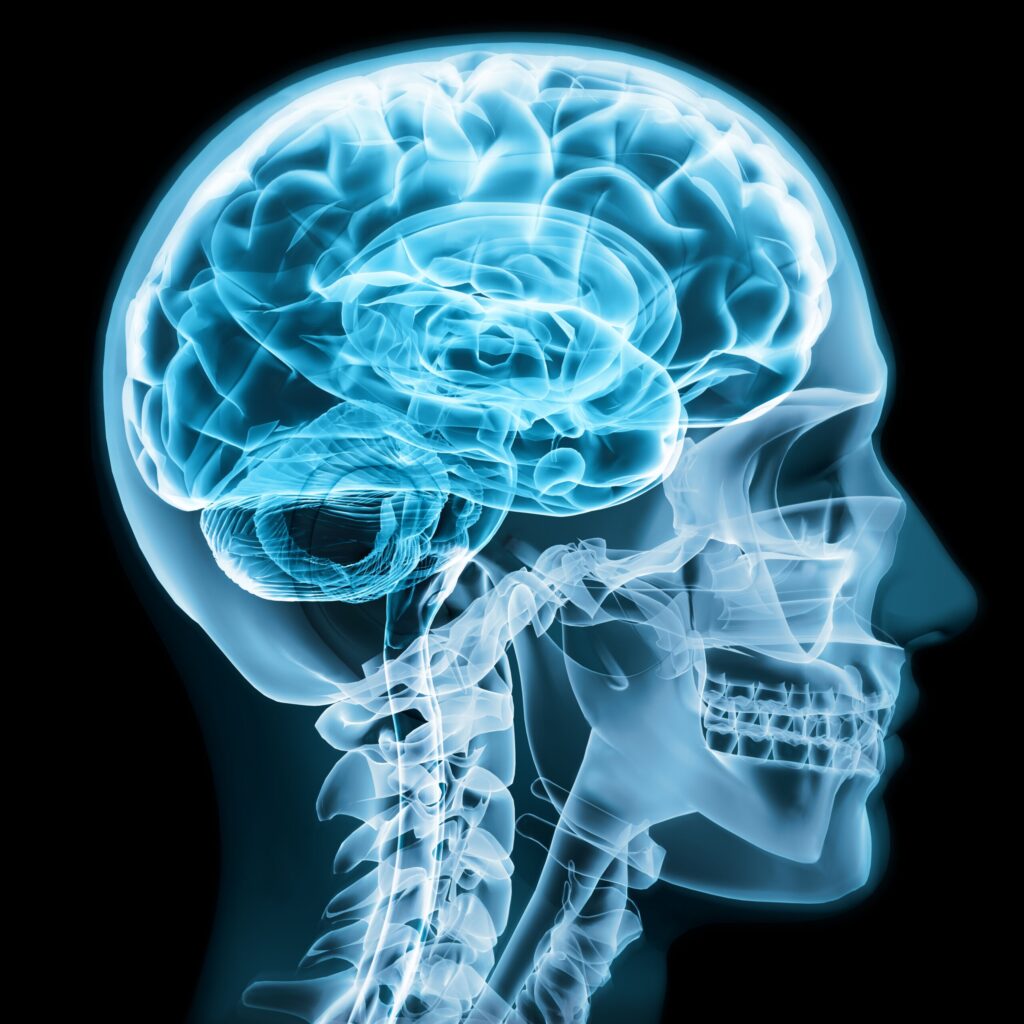
She suffered a respiratory arrest shortly afterwards. Resuscitation efforts restored circulation, but the prolonged period of hypoxia caused extensive brain damage. She now requires 24-hour care, has lost independent mobility, speech, and cognitive function, and faces a significantly reduced life expectancy.
Family's Pursuit of Accountability
The woman’s family brought a clinical negligence claim against the hospital trust, alleging that timely and proper care would have prevented the brain injury. Expert evidence confirmed that earlier oxygen therapy and escalation to critical care would likely have avoided the hypoxic damage.
The trust eventually admitted liability before trial, acknowledging medical negligence in the management of her deteriorating condition. The judge approved a substantial settlement to fund lifelong care, specialist equipment, adapted accommodation, and professional support.
The family described the judgment as bittersweet. While relieved that medical negligence was formally recognised, they expressed profound grief that simple interventions could have preserved their loved one’s independence and quality of life.
Categories: Medical Negligence, Brain Injury, Patient Safety, Hospital Care Failings
Keywords: negligent care brain damage, medical negligence hospital, hypoxic brain injury, delayed escalation care, preventable respiratory arrest, clinical negligence judgment, NHS trust liability
Trust Apology and Safety Changes Implemented
The hospital trust issued a formal apology to the patient and her family, accepting the judge’s findings that medical negligence caused the brain damage. A spokesperson expressed deep regret for the failings in care and confirmed that lessons have been applied across the organisation.
Immediate actions following the incident included mandatory training on recognition of deteriorating patients, introduction of electronic early warning scoring systems, and revised escalation protocols requiring senior review within set timeframes. These measures aim to prevent similar instances of medical negligence.
The trust also strengthened multidisciplinary handovers and increased critical care outreach support to wards. While these improvements are welcomed, the family remains concerned that staffing pressures and workload issues could still allow medical negligence to occur if not continually monitored.
Broader Implications for Patient Deterioration Management
Cases involving medical negligence leading to hypoxic brain injury frequently highlight failures in basic observation and escalation. National data shows that delayed recognition of physiological deterioration remains a leading cause of preventable death and serious harm in hospitals.
Guidelines from NICE and the Royal College of Physicians stress the importance of continuous monitoring, timely oxygen therapy, and rapid senior involvement when patients show signs of respiratory or circulatory compromise. Medical negligence occurs when these standards are not met consistently.
This judgment reinforces the legal and ethical duty of care to act promptly on clear warning signs. Trusts are under increasing pressure to demonstrate robust systems that minimise medical negligence in the management of acutely unwell patients.
Family's Ongoing Impact and Advocacy
The woman now lives with profound disabilities requiring full-time care. She is unable to communicate verbally, has limited mobility, and depends on others for all daily activities as a direct result of the medical negligence during her hospital admission.
Her family continues to campaign for improved recognition of deteriorating patients across the NHS. They speak at patient safety events and support others pursuing medical negligence claims after similar experiences of delayed care.
While the compensation provides financial security for her future needs, the family emphasises that no settlement can restore what was lost. They hope the case drives lasting change so medical negligence leading to avoidable brain injury becomes extremely rare.
Need for Systemic Prevention of Medical Negligence
Patient safety organisations have renewed calls for mandatory national standards on patient deterioration management, including protected time for senior review and technological aids to support early warning systems. These measures could significantly reduce medical negligence in acute care settings.
The judgment serves as a powerful reminder of the devastating human cost when medical negligence occurs. Timely intervention at the first signs of physiological decline remains one of the most effective ways to protect patients from catastrophic harm.
As the family continues to live with the consequences of medical negligence, their story stands as a stark call for vigilance, accountability, and genuine cultural change throughout the NHS to ensure no other patient suffers a similar preventable brain injury.
Categories: Medical Negligence, Brain Injury, Patient Safety, Hospital Care Failings
Keywords: negligent care brain damage, medical negligence hospital, hypoxic brain injury, delayed escalation care, preventable respiratory arrest, clinical negligence judgment, NHS trust liability, patient deterioration failure
Medical Negligence
Medical negligence, also known as clinical negligence (particularly in the UK), occurs when a healthcare professional provides substandard care that falls below the reasonable standard expected of a competent practitioner in similar circumstances, directly causing harm or injury to a patient.To succeed in a claim, four key elements (often referred to as the “4 Ds”) must typically be proven:
- Duty of care — A doctor-patient or similar professional relationship existed, establishing that the healthcare provider owed the patient a duty to provide competent treatment.
- Breach of duty (or deviation from the standard of care) — The care provided was negligent, meaning it did not meet the accepted professional standards. This is assessed objectively, often with input from independent medical experts, rather than requiring “gold standard” treatment.
- Causation — The breach directly caused (or significantly contributed to) the patient’s injury or worsened condition. The harm must be more likely than not attributable to the substandard care.
- Damage — The patient suffered actual harm, which may include physical injury, psychological distress, financial loss, additional medical needs, or reduced quality of life.
Common examples include misdiagnosis, delayed diagnosis, surgical errors, incorrect medication, failure to obtain informed consent, or inadequate aftercare. Not every poor outcome or medical mistake constitutes negligence—only those deviating from reasonable professional standards and causing avoidable harm qualify.In the UK, claims are pursued through the civil justice system, often against the NHS or private providers, with the goal of securing compensation to address losses and support recovery. Medical negligence cases can be complex, requiring expert evidence and strict time limits for claims.
Home Page – Medical Negligence – Medical Negligence – Medical Negligence – Home Page – Home Page – Banzai Japan – Home Page – Home Page –
https://sekaigyakuten.jp – A DePRESSeD Media Ltd Website – Cospanic Entertainment Video
English