Trumps AI Claim About BBC Clip Debunked by Broadcast Evidence
-
MRPMWoodman
- March 17, 2026
- 0
- 6 min read
Trumps AI Claim About BBC Clip Debunked by Broadcast Evidence
https://banzaijapan.jp – A DePRESSeD Media Ltd Website – Cospanic Entertainment Video
Trumps AI Claim About BBC Clip Debunked by Broadcast Evidence
No proof of artificial intelligence use as analysts confirm footage was edited from real speech segments
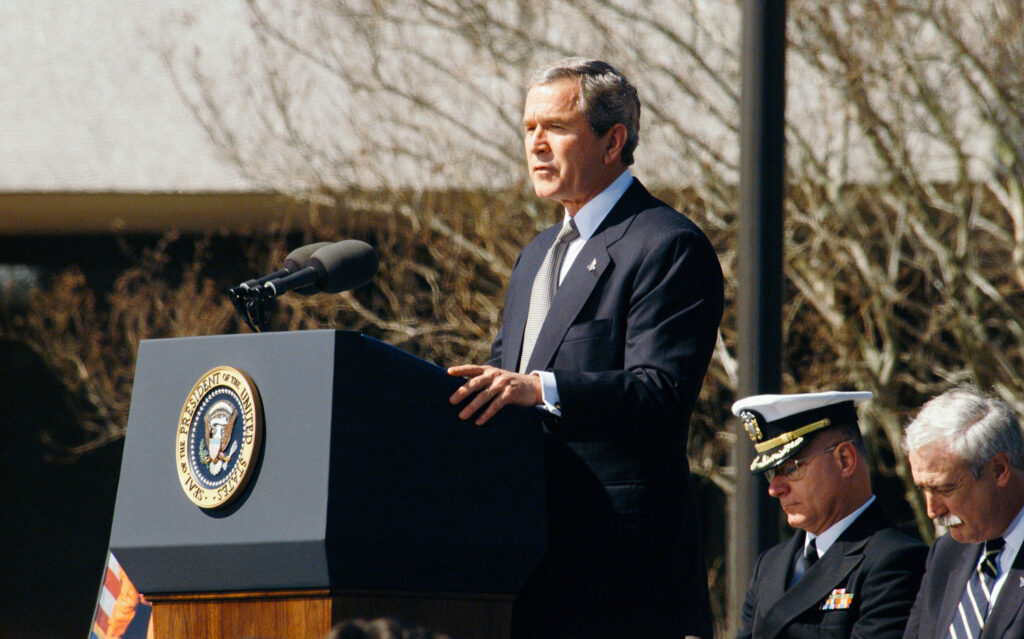
Claims by Donald Trump that the BBC used artificial intelligence to fabricate part of his speech have been widely debunked by media experts and broadcast analysis. The controversy centers on a viral clip in which Trump appears to make a contentious statement—one he now insists he “never said.” However, available evidence shows that the clip was not generated using AI, but instead edited from two separate portions of a real speech he delivered.
According to media analysts who reviewed the original footage, both segments used in the clip are authentic and verifiable. The words attributed to Trump were spoken by him during a single public appearance, though at different moments. Editors combined these sections into a shorter sequence, a common practice in television production when condensing longer material.
Experts in digital forensics have emphasized that there is no indication of AI-generated audio, deepfake video, or voice synthesis in the clip. Unlike AI manipulation, which creates content that was never spoken or recorded, this case involves real speech that has been rearranged. While such editing can alter context or tone, it does not constitute fabrication.
Trump’s claim that the clip was artificially generated appears to have emerged after the edited version gained traction online. As it spread across social media platforms, the lack of full context contributed to confusion and speculation about its authenticity. However, full-length recordings of the speech clearly show that the words used in the clip were indeed spoken.
Further contradicting Trump’s claims is the fact that the clip was not broadcast in the United States on any official platform. Broadcast records indicate that the footage appeared only as part of a UK-based program. Even in that case, the segment was heavily edited for time and clarity.
Importantly, the version of the program that was ultimately aired did not include the most controversial portion of the clip. Editors removed that section before broadcast, significantly cutting down the segment. This decision reflects standard editorial judgment rather than any attempt to mislead viewers.
Media professionals note that the lifecycle of the clip follows a familiar pattern in the digital age: an edited excerpt is shared online, stripped of context, and amplified through social media. As the clip gains attention, interpretations evolve, and claims about manipulation become more extreme.
In this instance, the evidence consistently points to conventional editing rather than artificial intelligence. The words were spoken, the footage is real, and no credible analysis has identified any use of AI technology in its creation. As a result, Trump’s assertion that he “never said the words” is directly contradicted by the original recordings.
BBC Broadcast Context Undermines Trump’s Claims of Manipulation
Edited clip never aired in full and falls outside U.S. jurisdiction, experts say
The broader context surrounding Donald Trump’s claims about a BBC-edited speech further undermines his allegation that artificial intelligence was used to manipulate his words. Media experts and legal analysts point to both the editing process and the circumstances of the broadcast as clear evidence that no such technology was involved.
Television editing routinely involves condensing longer speeches into shorter, more digestible segments. This can include removing pauses, trimming sections, and occasionally combining remarks made at different points. While this may affect how a statement is perceived, it remains fundamentally different from generating new content באמצעות AI.
In the case of the disputed clip, analysts confirmed that it was assembled from two genuine parts of Trump’s speech. Both segments are present in full recordings, and no elements were artificially created. The editing process did not introduce new words or fabricate audio, but simply rearranged existing material.
Significantly, the version of the clip that circulated widely online was not the same as the one prepared for broadcast. The BBC program in which the segment appeared underwent substantial editing before airing, with the most controversial portion removed entirely. This indicates that editors acted to reduce potential misinterpretation rather than promote it.
Another key point is that the clip was never broadcast in the United States. There is no record of it appearing on American television networks or official platforms. Its exposure was limited to a UK broadcast and subsequent online sharing, which contributed to the confusion surrounding its origin.
Legal experts also highlight that the BBC, as a UK-based public broadcaster, operates under British jurisdiction. It has no base of operations in Florida and is not subject to the authority of U.S. state governments. As such, claims that Florida could take action against the organization have no legal foundation.
This jurisdictional reality is important in understanding the limits of political claims about international media. The BBC is governed by its own regulatory framework, and any disputes would need to be addressed within that system rather than through U.S. state-level intervention.
More broadly, the incident reflects growing tensions between political figures and media organizations, particularly in an era where accusations of AI manipulation are increasingly common. Experts warn that mischaracterizing standard editing as artificial intelligence risks confusing the public and undermining trust in both journalism and technology.
Ultimately, the evidence is clear: no AI was used to generate or alter Trump’s speech, the clip was constructed from real footage, and the most controversial section was never broadcast in its viral form. Trump’s claim that he did not say the words is not supported by the available record.
Links
https://sekaigyakuten.jp – A DePRESSeD Media Ltd Website – Cospanic Entertainment Video
English