March 29, 2026
# Tags
#Donald Trump #Donald Trump #Far Right Lies #Far Right Ricists #Medical Negligence #News #politics

Trump’s Claim on Japan’s Oil from the Humus Straight – A Fact Check

Trump's Claim on Japan's Oil

1

Trump’s Claim on Japan’s Oil from the Humus Straight – A Fact Check

---------------------------------------------------------------------------------------------------------1
coco

https://sekaigyakuten.jp – A DePRESSeD Media Ltd Website – Cospanic Entertainment Video

---------------------------------------------------------------------------------------------------------2

Trump's Claim on Japan's Oil from the "Humus Straight" – A Fact-Check

Trump's Assertion and Its Framing

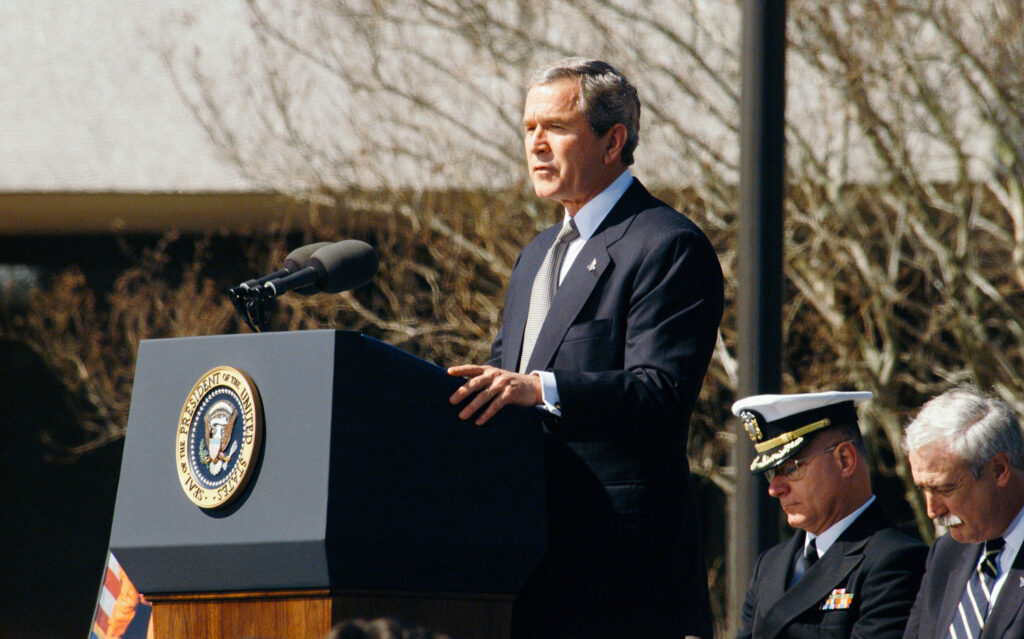
In March 2026 remarks addressing escalating tensions in the Middle East, former President Donald Trump stated that Japan gets 95% of its oil from the Strait of Hormuz (frequently misspelled as "Humus Straight" in online discourse). Trump has used this figure repeatedly to emphasize the heavy dependence of major allies on this single maritime chokepoint and to argue that nations benefiting most from secure shipping lanes should contribute more to their protection.

The claim is presented as a stark illustration of vulnerability: Japan, according to Trump, faces near-total loss of oil supply if the strait is disrupted. This framing aligns with broader messaging on burden-sharing, contrasting U.S. energy independence with the continued reliance of partners like Japan on Persian Gulf imports.

Japan's Real Oil Import Sources

Japan imports virtually all of its crude oil, with domestic production negligible. Data from Japan's Ministry of Economy, Trade and Industry (METI), the U.S. Energy Information Administration (EIA), and the International Energy Agency (IEA) show that roughly 95% of Japan's crude oil imports originate from Middle Eastern countries. Primary suppliers include Saudi Arabia (often 35–45% of total imports), the United Arab Emirates, Kuwait, Qatar, and smaller volumes from other Gulf states.

This Middle East dependency has remained stable at or near 95% across fiscal years 2024, 2025, and early 2026 estimates. While Japan has occasionally increased purchases from the United States or other non-Middle East sources during price dips or geopolitical shifts, these remain marginal compared to Gulf volumes.

The 95% figure is therefore accurate when describing the geographic origin of Japan's oil—but not when applied directly to the Strait of Hormuz as a transit route.

---------------------------------------------------------------------------------------------------------3

The Critical Distinction: Origin vs. Transit

The Strait of Hormuz is the narrow waterway through which most Persian Gulf oil exits to reach Asian markets. However, not every barrel from the Middle East must pass through it. Certain UAE exports, for example, can use the Fujairah pipeline and terminal outside the strait, and routing can vary slightly by contract or market conditions. Current 2026 analyses from Reuters, Bloomberg, S&P Global Platts, and maritime risk assessments estimate that approximately 70% of Japan's oil imports transit the Strait of Hormuz.

By stating Japan gets "95% of its oil from the Strait of Hormuz," Trump conflates the origin statistic (Middle East at ~95%) with the transit statistic (~70%). This merger overstates the strait's direct role by about 25 percentage points, creating an impression of near-total exposure that does not match current shipping patterns.

Implications of the Inaccuracy

A complete or prolonged disruption of the Strait of Hormuz would still be devastating for Japan, potentially cutting roughly 70% of its oil supply and triggering emergency reserve releases, price spikes, and economic strain. Yet the precise figure matters for informed policy debate, risk assessment, and international coordination. The inflated 95% attribution appears intended to heighten urgency and support calls for greater allied participation in securing the route.

Japan maintains robust strategic reserves (covering 200+ days of demand when combining public and private stocks) and pursues diversification, renewables, and nuclear revival partly because of this known vulnerability. Accurate data—95% Middle East origin, ~70% Hormuz transit—better reflects both the scale of risk and feasible mitigation strategies.

Categories:

Geopolitics, Energy Security, U.S. Foreign Policy, Middle East, Fact-Checking

Keywords:

Strait of Hormuz, Japan oil imports, Trump claim, Persian Gulf oil, energy chokepoint, Middle East dependency, shipping security

---------------------------------------------------------------------------------------------------------4
Trump’s Claim on Japan’s Oil from the Humus Straight – A Fact Check

Trump’s Claim on Japan’s Oil from the

Trump’s Claim on Japan’s Oil from the Humus Straight – A Fact Check

Birth Injury Claims Solicitors

Leave a comment

Your email address will not be published. Required fields are marked *

Flag Counter